GuideScam With Your Friends
How to Play Scam With Your Friends: Setup, Scams, Privacy
By Dani Torres10 min read
Today
Independent coverage of indie & Early Access games. Deep guides for the titles mainstream outlets skip.
Browse
NewsMortal Shell II
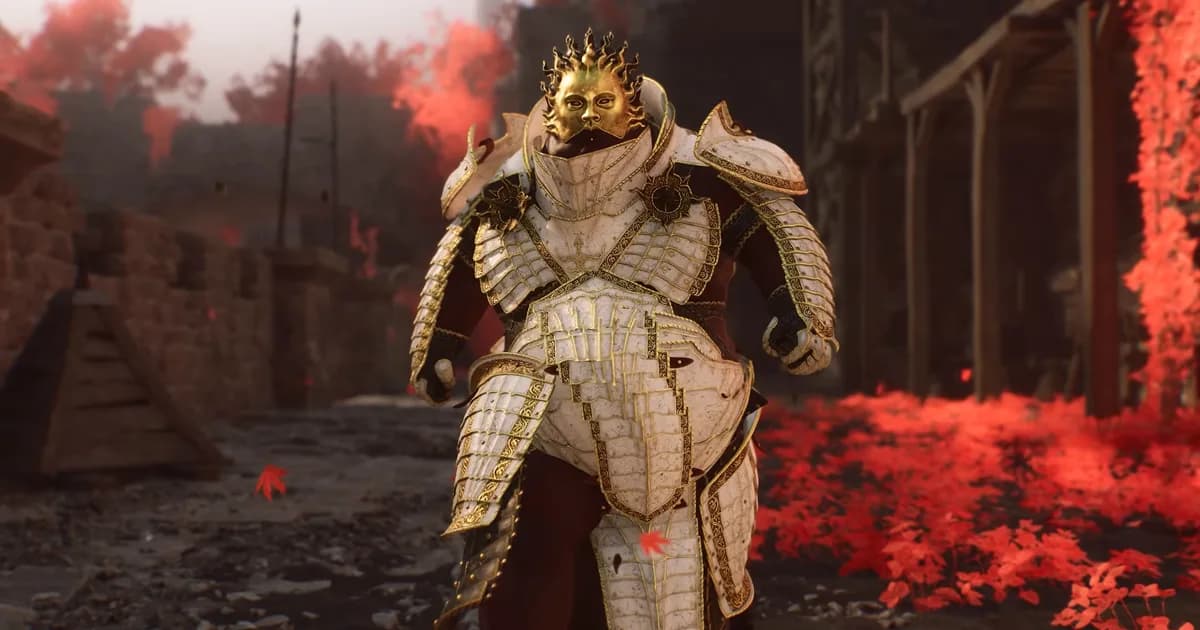
Mortal Shell 2 update Rotten Autumn is free on PC, PS5 and Xbox: new dungeons, photo mode, a Sakis Tolis soundtrack, 10 Tarstones and a pumpkin helmet.
By Dani Torres5 min read
ReviewValor Mortis
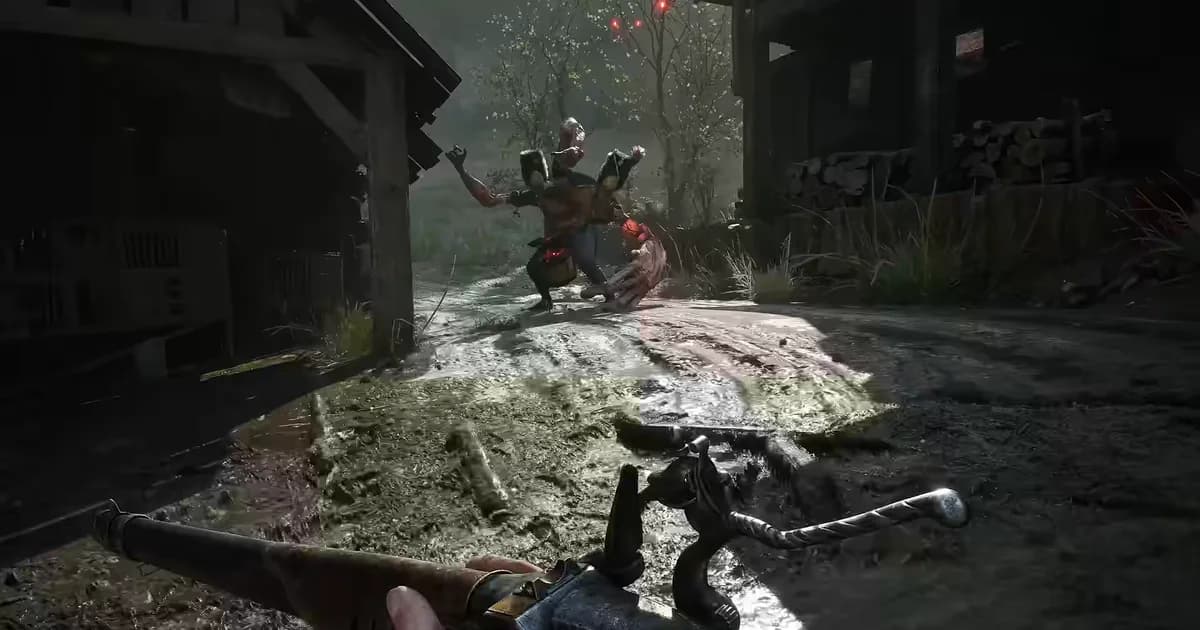
Valor Mortis review: a first-person soulslike with sharp parries and a fresh Napoleonic setting, held back by hitboxes the October 21 patch is still fixing.
By Finn Calloway7 min read
NewsToo Deep To Quit
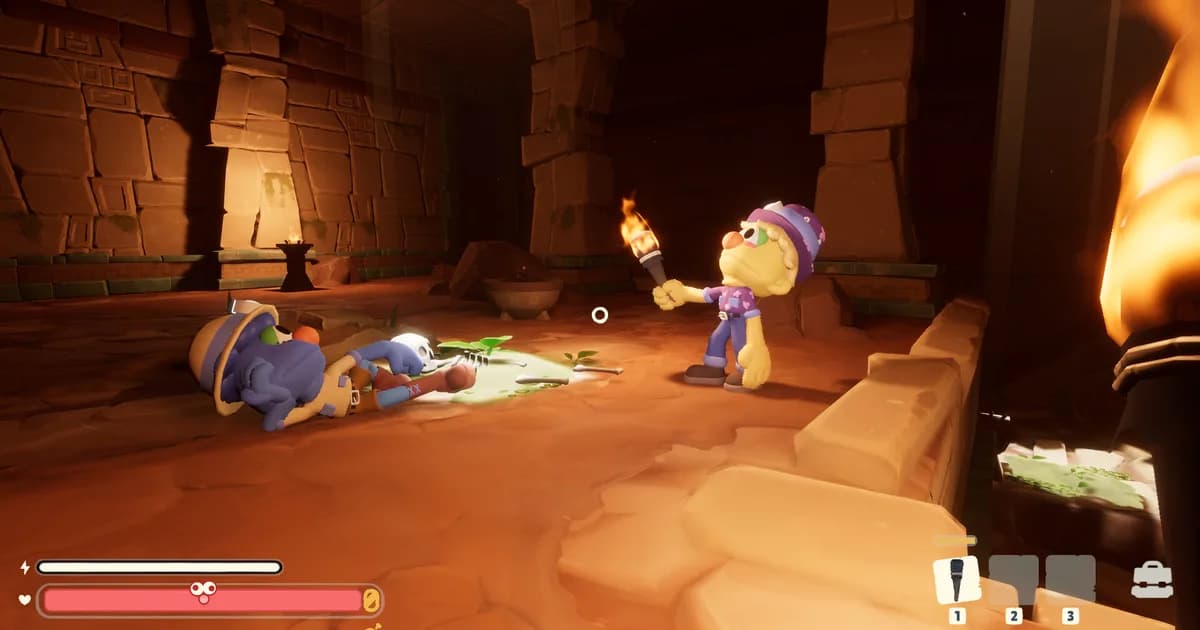
The free Too Deep To Quit demo was reworked for Steam Next Fest after Mixed reviews. What Update 1.1.0 changes, what players say, and when the game is due.
By Dani Torres7 min read
FeatureSteam Scream
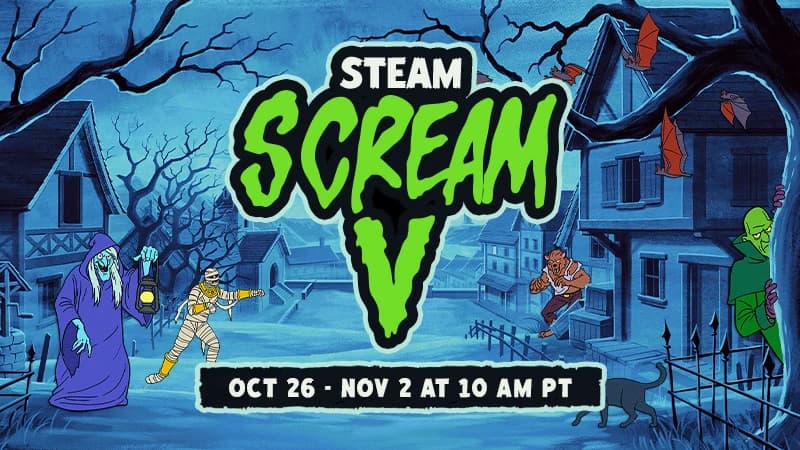
Steam Scream Fest 2026 runs October 26 to November 2 at 10 AM PT. Start and end times by zone, and the horror games Steam's own rules keep at full price.
By Finn Calloway7 min read
NewsThe Dead We Knew
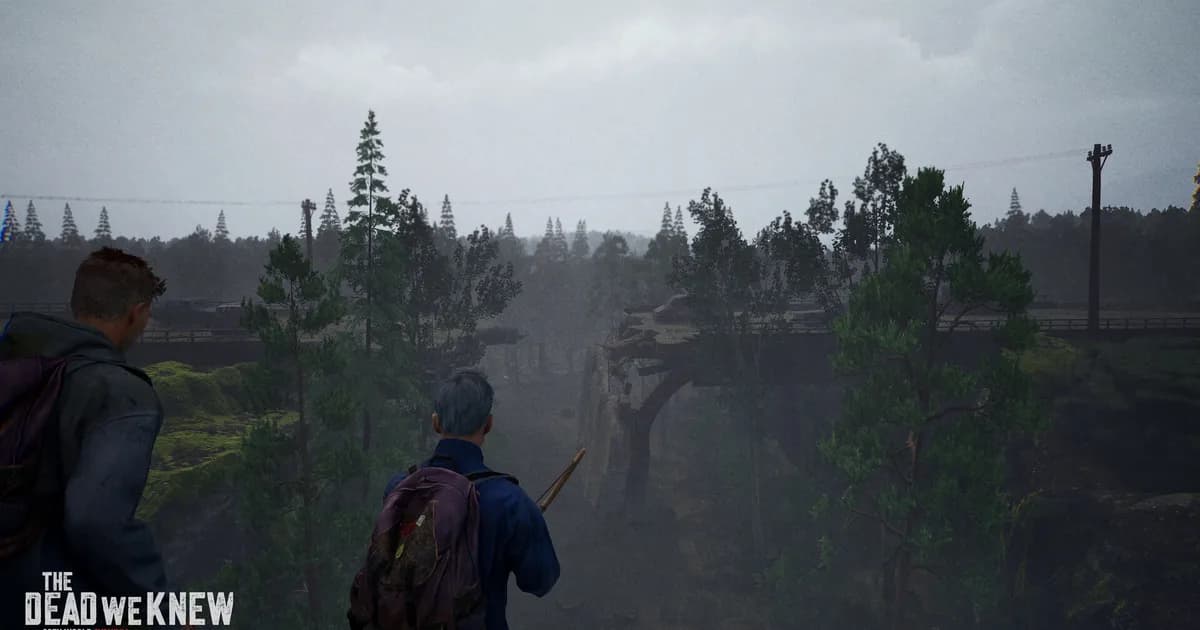
The Dead We Knew early access costs $22.50 on Steam, PC only, with no PS5 or Xbox version. Day-one reviews are Very Negative, so most players should wait.
By Ben Wright8 min read
Complete guideDungeon Inn
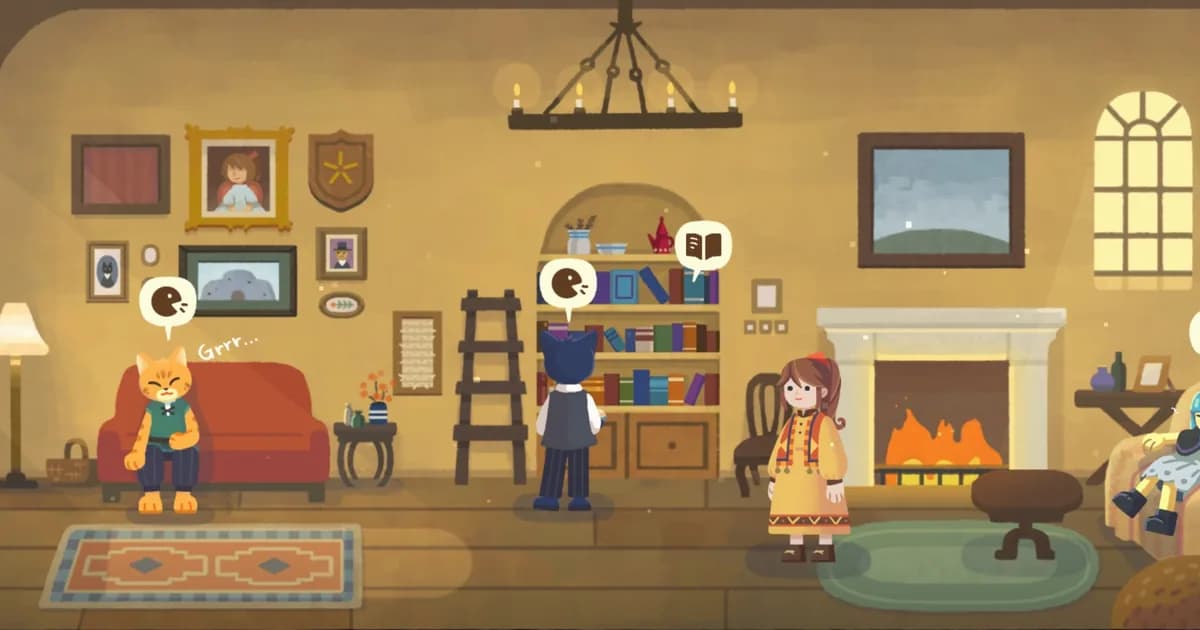
Dungeon Inn guide for the 1.0 release: how the two-guild puzzle works, what each chapter adds, how tokens and Suspicion work, and if it runs on Steam Deck.
By Priya Nair14 min read
Reviews
ReviewSilver Pines
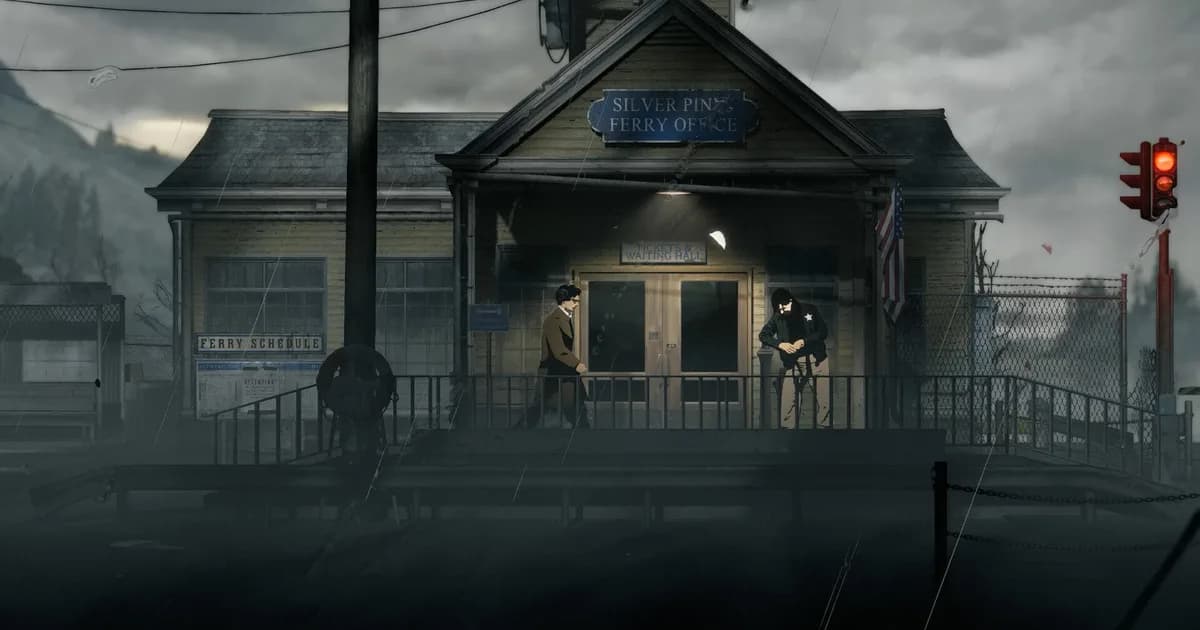
Silver Pines review: a Twin Peaks-flavored survival horror metroidvania that players love. The catch is clunky combat and a lot of backtracking.
By Priya Nair6 min read
FeatureMycopunk
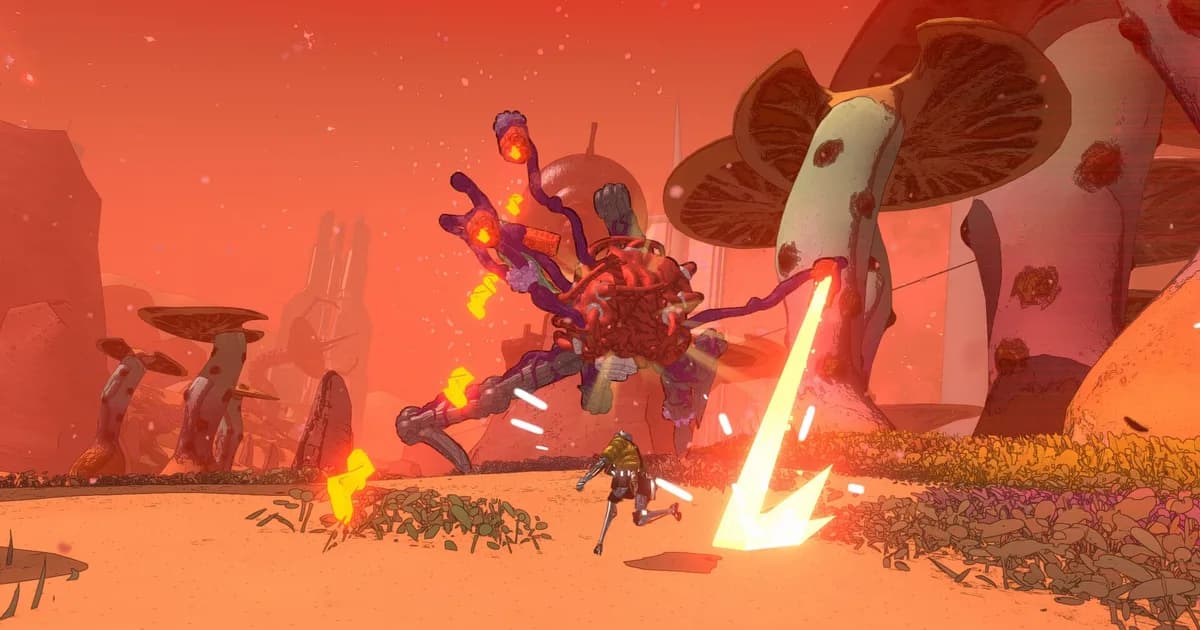
Is Mycopunk worth it after 1.0? For a co-op squad, yes. Solo play got a little kinder, and the launch sale halves the price until November 3.
By Finn Calloway7 min read
ReviewValor Mortis
Valor Mortis review: a first-person soulslike with sharp parries and a fresh Napoleonic setting, held back by hitboxes the October 21 patch is still fixing.
By Finn Calloway7 min read
Explore
Game guide collections, glossary terms, and active giveaways.
Patch Notes
Official documentation released by a game's developers listing the changes in an update: bug fixes, balance adjustments, new or removed content, performance work, and changes to systems and mechanics. Patch notes are the main way developers tell players what changed, and for competitive games they matter a lot, because a balance change can shift which strategies are viable. League of Legends is the classic example: in 2014 Riot standardised its patch cadence to roughly every two or three weeks, and each patch changes the effectiveness of strategies in the game, so keeping pace with the changes became part of playing it. For Early Access and indie games, patch notes are also the closest thing to ground truth for how a system currently works, which is why guides on this site check claims against the developer's own notes rather than secondhand summaries. Many developers now pair the notes with dev blogs, videos or preview streams that explain the reasoning behind a change, which helps players predict where the game is heading.
Industry
Roguelike
A style of role-playing game traditionally defined by four traits: a dungeon crawl through procedurally generated levels, turn-based play, grid-based movement, and permanent death of the player character. The name comes from Rogue, a dungeon crawler by Michael Toy and Glenn Wichman, with later contributions by Ken Arnold, developed around 1980 for Unix-based minicomputer systems. Rogue became popular with college students and programmers in the 1980s and 1990s and led to hundreds of variants; better-known ones include Hack, NetHack, Angband, Ancient Domains of Mystery and Dungeon Crawl Stone Soup. Because the label kept stretching, players and developers at the International Roguelike Development Conference 2008 in Berlin drafted the 'Berlin Interpretation', a list of high- and low-value factors based on five canon games: ADOM, Angband, Linley's Dungeon Crawl, NetHack and Rogue. Many newer games keep the procedural runs and permadeath but drop turn-based, grid-based play; Spelunky, FTL: Faster Than Light, The Binding of Isaac, Slay the Spire and Hades are common examples. These are sometimes called roguelites or roguelike-likes to separate them from the traditional style, although they are still often described as roguelikes and use the roguelike tag on stores such as Steam. Since no two runs share a layout, the genre rewards learning systems and item synergies rather than memorising a fixed route.
Genre
Action RPG
A video game genre that combines core elements of action games and role-playing games. Action RPGs emphasise real-time combat that tests the player's coordination or reaction time, as opposed to turn-based or menu-based combat, while keeping RPG progression such as levels, stats, skills and better equipment. MMORPGs with real-time combat also count as action RPGs. Blizzard North's Diablo (1997), a click-to-move, real-time dungeon crawl, set the template for the loot-focused isometric branch, which continued with Titan Quest (2006), Torchlight (2009) and Path of Exile (2013). Another branch puts the camera behind the character in larger worlds: The Witcher series, which began in 2007 and concluded with 2015's The Witcher 3: Wild Hunt, and FromSoftware's games from Demon's Souls (2009), built around hard enemies and limited checkpoints, to Elden Ring (2022), which mixed open-world exploration with Soulslike combat. Because your character build and your own execution both matter, the same encounter can play out very differently for two players.
Genre
Meta-Progression
A layer of persistent progression that exists above the run-level systems in a roguelite: upgrades, unlocks, and permanent bonuses that carry over between attempts and accumulate over a player's entire history with the game, rather than resetting on death. Meta-progression fundamentally changes the roguelite experience compared to pure roguelikes: no run is ever fully wasted, because every attempt earns something toward the wider progression arc. In Dead Cells, the cells you collect from enemies buy permanent upgrades such as healing potions and new weapons, but you can only spend them at the end of a section, so dying first loses them; blueprints found in the levels add new upgrade options. In Hades, Zagreus returns to the House of Hades between escape attempts, where items recovered from runs unlock and upgrade abilities, order new features for the underworld, unlock and upgrade weapons, and improve his standing with the other characters. In Slay the Spire, completed or failed runs earn points that unlock new characters, relics and cards, and each win opens one more of the 20 Ascension difficulty levels. The design challenge for meta-progression is calibration: too weak and it feels meaningless; too strong and it trivialises the run-level challenge by making the player overpowered. Many roguelites deliberately slow meta-progression to keep individual runs tense for longer. 'Catch-up' meta-progression, where struggling players gain accelerated upgrades, is a common accessibility design choice in mobile roguelites.
Mechanics
Day-One Patch
A software update released on a game's launch day to repair issues that could not be addressed in time for the game's distribution. Wikipedia's glossary of video game terms notes that release day is often accompanied by one. A well-known example is Halo: The Master Chief Collection: a 15-gigabyte patch went live on 6 November 2014 for players who had digitally preordered, and at launch many players still had problems with online matchmaking, which led to a public apology from 343 Industries. A patch is not a guarantee of a working launch: Cyberpunk 2077 was widely criticised for bugs and glitches, particularly on PlayStation 4 and Xbox One, during its launch period. The same glossary entry covers the related term 'day-one DLC', content offered for a price on release day, which is often associated with content already on the disc. For digital-only games, a day-one patch works like any early update: the build you download already includes it.
Industry
Crossplay
Cross-platform play, the ability of players on different video game hardware, such as a console and a PC, or two different consoles, to play with each other at the same time. It was held back for years by business decisions as much as technology, because console online services are closed networks that need the platform holders' cooperation. Up through September 2018, Sony restricted PlayStation 4 cross-platform play with other consoles, splitting players of games like Rocket League and Fortnite. In September 2018 Sony changed its stance and opened a beta for Fortnite cross-platform play, and in October 2019 it said any developer could support it. Nintendo had already announced cross-platform play for Rocket League and Minecraft on Switch at E3 2017, and Minecraft's Bedrock edition unifies play across several platforms. A shared player pool makes matchmaking easier and lets friends play together without buying the same hardware. Because mouse-and-keyboard and controller players aim differently, some games match by input instead: Halo: The Master Chief Collection added Xbox and PC crossplay with input-based matchmaking in November 2020. Cross-save, where your progress carries over between platforms, is a related but separate feature.
Platform
Rebuild a town above an underground magical dungeon. Early Access date as listed on Steam.
Oct 27
Wuxia action RPG built in Unreal Engine 5: you play Soul, a warrior with sixty-six days left to live. Moved on June 3 from September 9 to late October; Steam pre-orders are open. The date here is Steam's US listing; S-GAME's site and the PlayStation Store say 10/29/2026 without naming a time zone.
Oct 28
Action RPG
Table-game horror for up to five online players: take turns at cruel devices, play influence cards, and try not to lose a hand. Free demo on Steam during Next Fest. ArtDock expects 6 to 12 months of Early Access and hasn't set a price; PlayStation, Xbox and Switch versions are announced without a date.
Oct 30
Party horror
Cozy mouse adventure for one player or co-op; online co-op arrives with the full game. Free standalone demo on Steam during Next Fest. No price or pre-order yet.
Dec 1
Adventure
Prequel to the 2001 castle sim with a 22-mission campaign, skirmish against eight CPU opponents and Free Build at Early Access launch; online multiplayer waits for 1.0. The free demo adds Skirmish Mode for Next Fest. No price yet.
Dec 7
Castle sim RTS
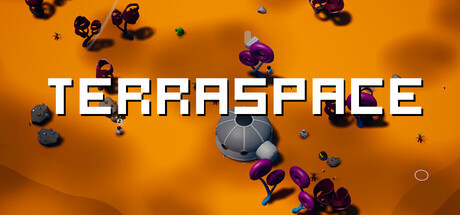
Download Terraspace for free via Epic Games Store! Terraspace is a casual city builder game about creating conditions for life on unsuitable planets.
Ends in 1d 17h
1. Click the button to visit the giveaway page. 2. Log in to your Epic Games Store account. 3. Click the button to add the game to your library
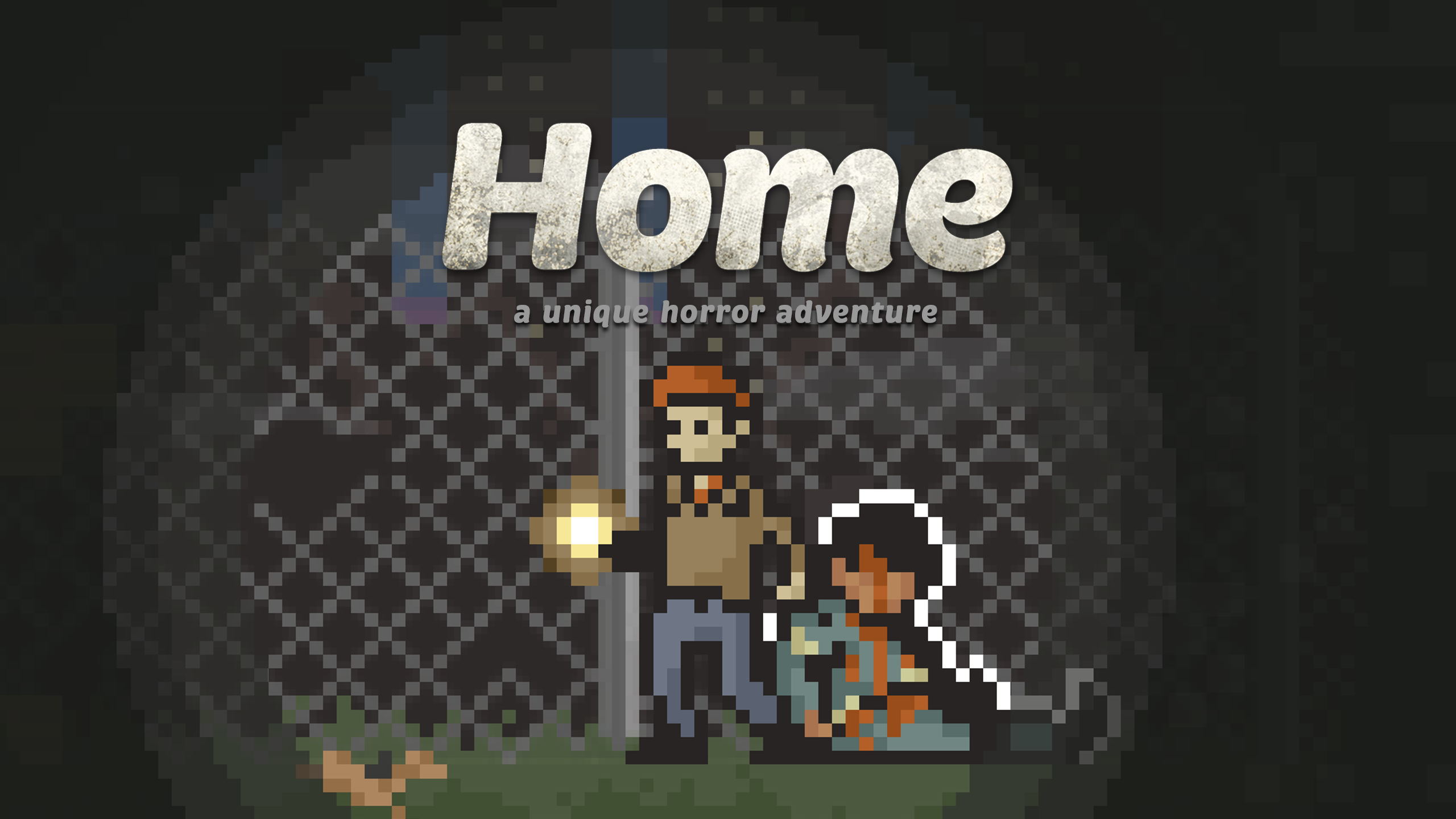
Home is a unique horror adventure set in a beautifully-realized pixel world. It’s a murder mystery with a twist – because you decide what ultimately happens.
Ends in 3d 8h

The round-based co-op survival FPS and spin-off to the award-winning British horror, Maid of Sker. Play solo or up to 4 players to survive the supernatural onslaught of the Quiet Ones.
Ends in 3d 8h
Find what you're looking for