
GuideMoonlighter 2
Moonlighter 2 Tips: 9 Rules for Your First Hours Guide
Moonlighter 2 tips matter most before you know what every relic is worth. Your first hours are about building a repeatable loop: raid a dimension, bring home a manageable haul, arrange it in the backpack, run the shop, then turn the result into a stronger next attempt. This guide sticks to mechanics documented by Steam and the game's 1.0 material. It explains what to sell and keep without copying the exact price tiers from our Moonlighter 2 price guide.

Sponsored

About the game
Moonlighter 2: The Endless Vault
TL;DR: Arrange a useful haul before chasing more loot, keep unknown or synergy-heavy relics until you understand them, and sell duplicates only after checking current upgrade needs. After every adventure, use the shop to learn from customer reactions and reinvest in the next visible improvement. The exact Cheap, Perfect, Expensive, and Overpriced tiers belong in the price guide.
BESTPRICE: Want Moonlighter 2: The Endless Vault? These stores list it: Buy on Eneba → Buy on Loaded →
What are the best Moonlighter 2 tips? (quick answer)
The best Moonlighter 2 tips are simple: make backpack space a decision, treat each shop opening as feedback, and keep only loot that has a clear job. The official Steam description confirms the loop is built around dungeon relics, backpack synergies, shop sales, and reinvestment. You do not need a perfect price sheet or a universal perk tier list to make progress in the first hours.
Sponsored

Moonlighter 2 tips: key takeaways
- Bring home a readable haul instead of filling every slot with unknown items.
- Keep relics whose backpack behavior or upgrade use is not understood yet.
- Sell duplicates when they have no current upgrade purpose and you need coin or room.
- Let customer reactions teach your shop routine, then check exact tiers in the price guide.
- Treat perks as run-shaping choices. Use the effect text and a verified example, not a copied ranking.
Overview
This beginner route is for the opening shop and dungeon runs in the Steam 1.0 release, with research checked on September 30, 2026. Moonlighter 2 describes itself as an action RPG with roguelike elements: you explore dangerous dimensions, gather ancient relics, manage a backpack, sell what you bring home, and invest the proceeds in your shop and town.
The important word is loop. A dungeon trip is not successful only when the backpack is full. It is successful when the items you return with can be understood, sold or held for a reason, and converted into a better next trip. The shop then gives you another source of information through customer reactions and sales perks.
This is not a price table, a complete relic list, or a claim that one perk is always best. When this article says “keep,” it means keep an item temporarily because its effect, layout use, or upgrade role is still relevant. When it says “sell,” it means the item has no job in the run you are building. That distinction prevents the most expensive first-hours mistake: treating every unknown relic as disposable.
GODEEPER: Need the exact price tiers, Shop Perks, and relic-effect rules? Read the Moonlighter 2 Price Guide: Tiers, Perks and Relic Effects.
Step-by-Step: build your first reliable loop
1. Start with room for decisions: Before leaving, look at the backpack as a limited planning space, not a container you must fill. You need room to compare new relics, separate an item whose effect you understand from one you do not, and avoid turning the return trip into a pile of guesses.
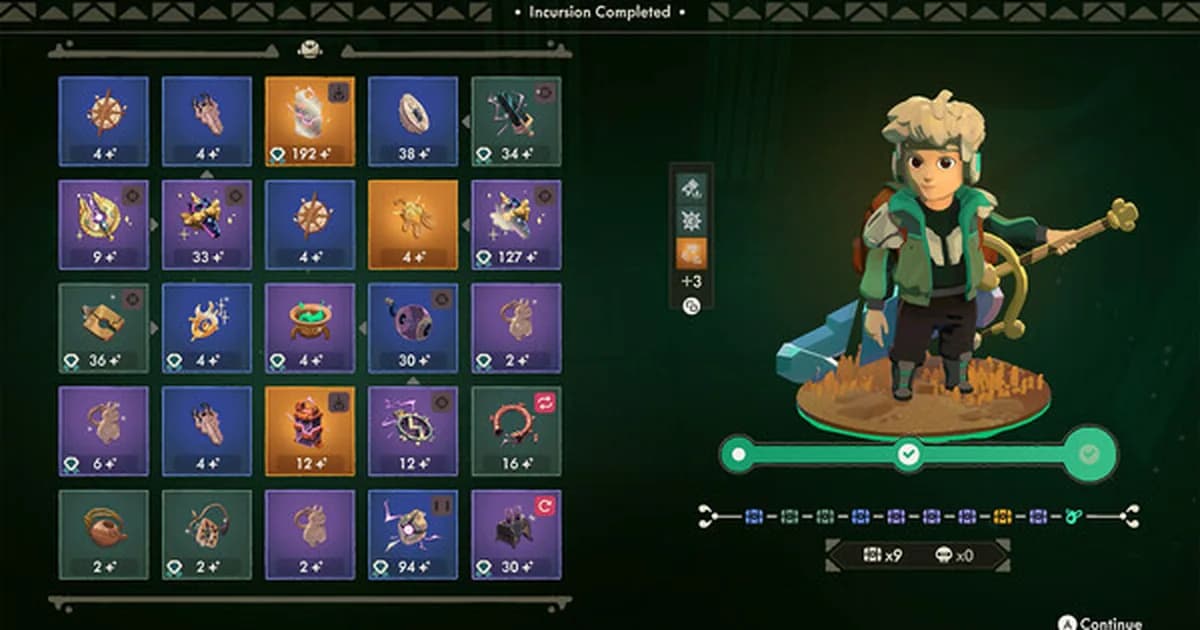
2. Collect a small, readable haul: Explore, fight, and gather relics, but do not make quantity the only goal. When an item has a backpack effect or a layout relationship you have not tested, note it and leave enough space to examine what comes next. The official store specifically connects arrangement with item synergies.
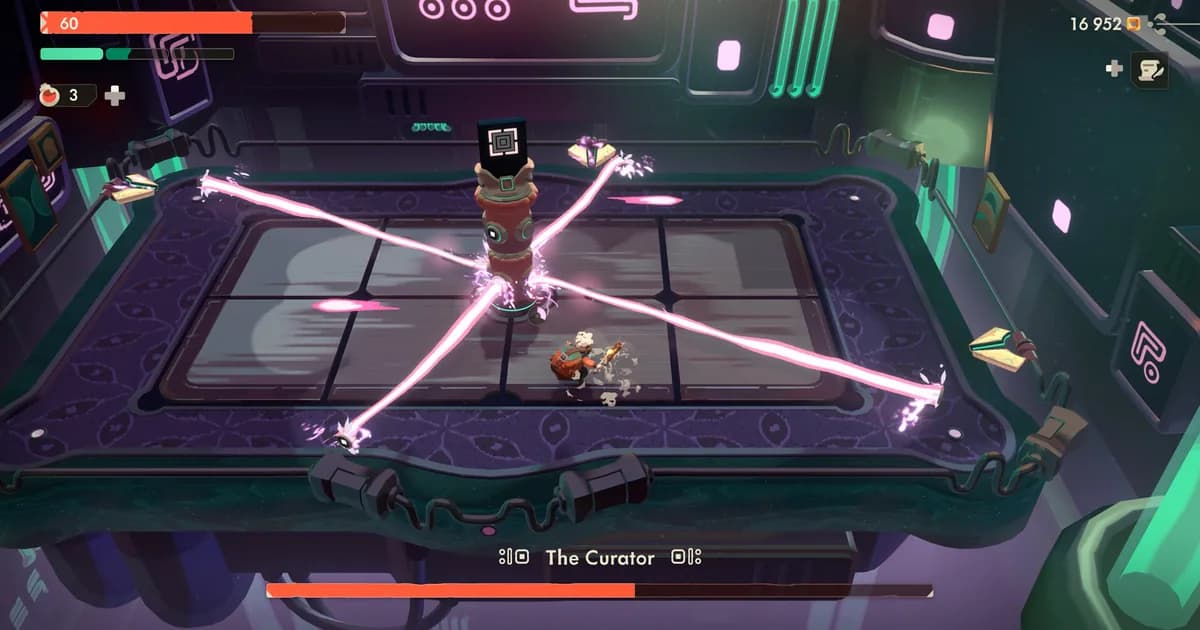
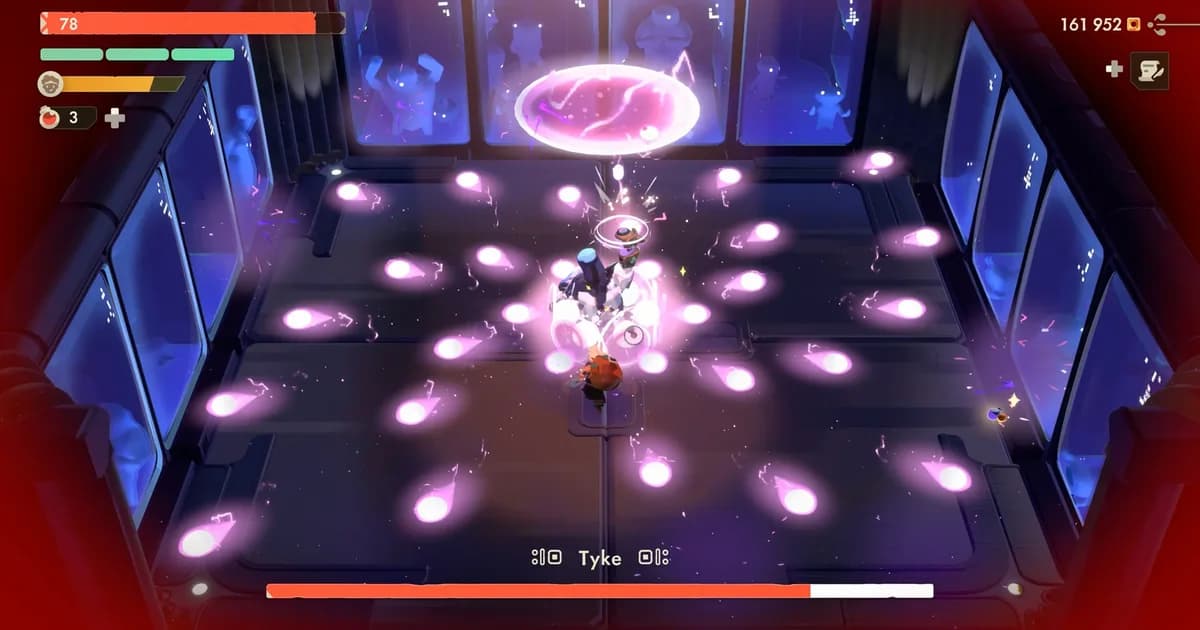
An official Steam screenshot shows the kind of combat trip that feeds the shop loop.
3. Make the backpack decide what returns: When space gets tight, compare jobs rather than apparent value. A known duplicate with no upgrade use is a candidate to sell later; an unknown relic, a relic with a useful effect, or material tied to an upgrade deserves the slot until you understand its purpose. The price tag alone is not enough to make that call.
4. Return with a question answered: A good early run should teach you something concrete: which relics you can identify, which layout patterns you want to test, or which shop improvement you can fund. Do not keep extending a run only because another item might be worth more. A clear haul is easier to price, sort, and learn from than a mixed backpack of untested loot.
5. Open the shop and read the reaction: The game moves from adventure to business after each run. Customize the shop, set a price, and watch customers rather than changing numbers at random. Their reactions tell you whether your current approach is too cautious or too ambitious. For the exact tier names and how Shop Perks interact with sales, use the linked price guide instead of guessing from this overview.
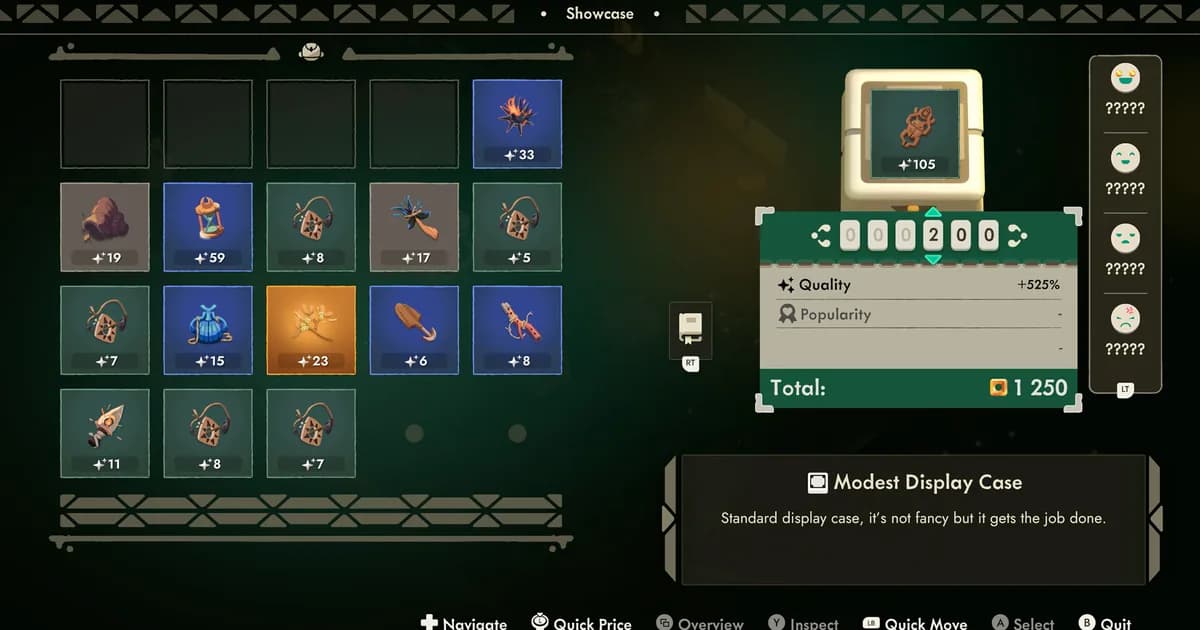
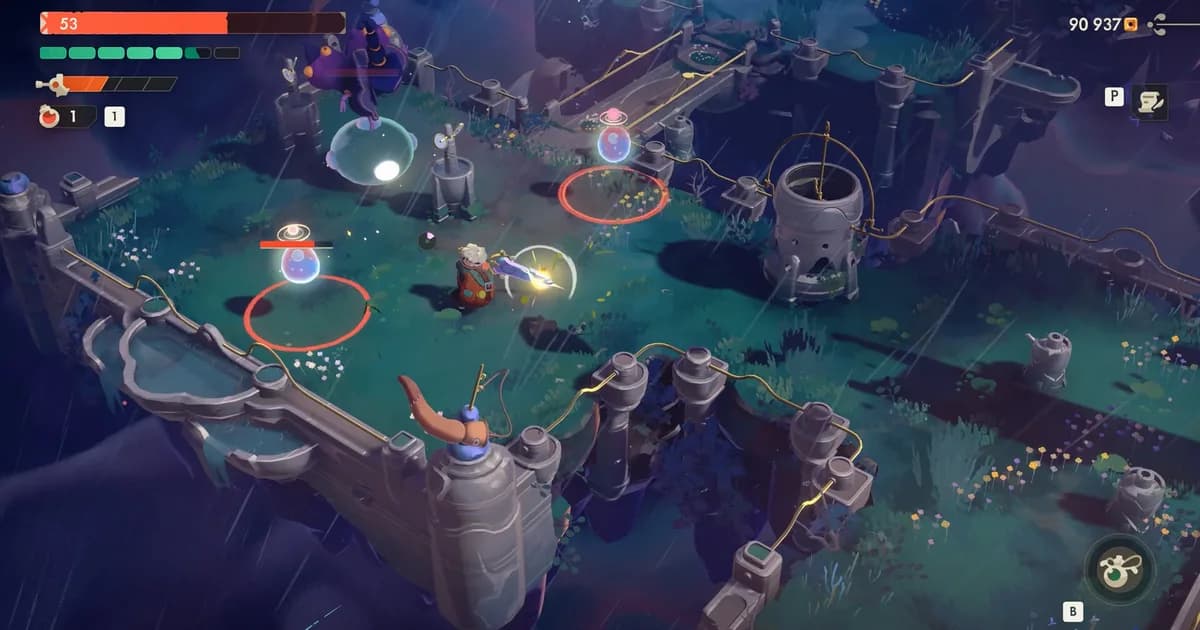
An official Steam screenshot captures the exploration side of the loop before the next shop opening.
6. Reinvest in the next bottleneck: Turn the result into progress that helps the next loop. If space is the problem, prioritize the upgrade that addresses space when it is available. If the run is safe but slow, look at the gear or perk choice in front of you. The official store frames profits as a way to rebuild the shop and prepare for the next adventure, so coin that never changes the next run is not doing work.
7. Repeat one change at a time: Keep the next run comparable. Test one backpack idea, one shop habit, or one perk direction, then see what changed. This is more useful than copying a “best” setup from an older guide when the source does not expose the full perk roster or every effect interaction.
What to sell and what to keep in Moonlighter 2
The safe rule is not “sell cheap” or “keep expensive.” Those are pricing questions, and the Moonlighter 2 price guide covers them. For a first-hours decision, ask what the item does for your next loop.
Keep these temporarily:
- Keep unknown relics when you cannot judge a backpack interaction yet. Give an unfamiliar item one controlled run before turning it into coin.
- Keep relics with a layout or synergy effect because the Steam store says arrangement can unlock unique item synergies. Preserve the item until you know whether its position changes the rest of the haul.
- Keep materials for an upgrade you can actually see. If a town, shop, gear, or other progression screen calls for the material and you are working toward that upgrade, holding it has a clear purpose.
- Keep a useful spare only when you can explain why it helps a second test, a different arrangement, or a near-term upgrade. “It might be useful” is not a permanent storage policy.
Sell these first:
- Sell understood duplicates with no active job. Once you know what an item does and do not need another copy for the current plan, it can fund the next loop.
- Sell items blocking a better test. If your backpack is full and the new item answers a question your current haul cannot, replace the least informative duplicate.
- Sell excess that delays reinvestment. Hoarding every item makes the shop and upgrade loop slower. Keep a reason for each slot, then let the rest become progress.
This is deliberately conservative. The game rewards backpack arrangements, so a relic that looks ordinary in isolation can be useful beside the right item. If the effect is unclear, keep it once, test it, and then decide. If the price is unclear, use the price guide rather than inventing a number.
More Moonlighter 2 tips for the first runs
Use customer reactions as information
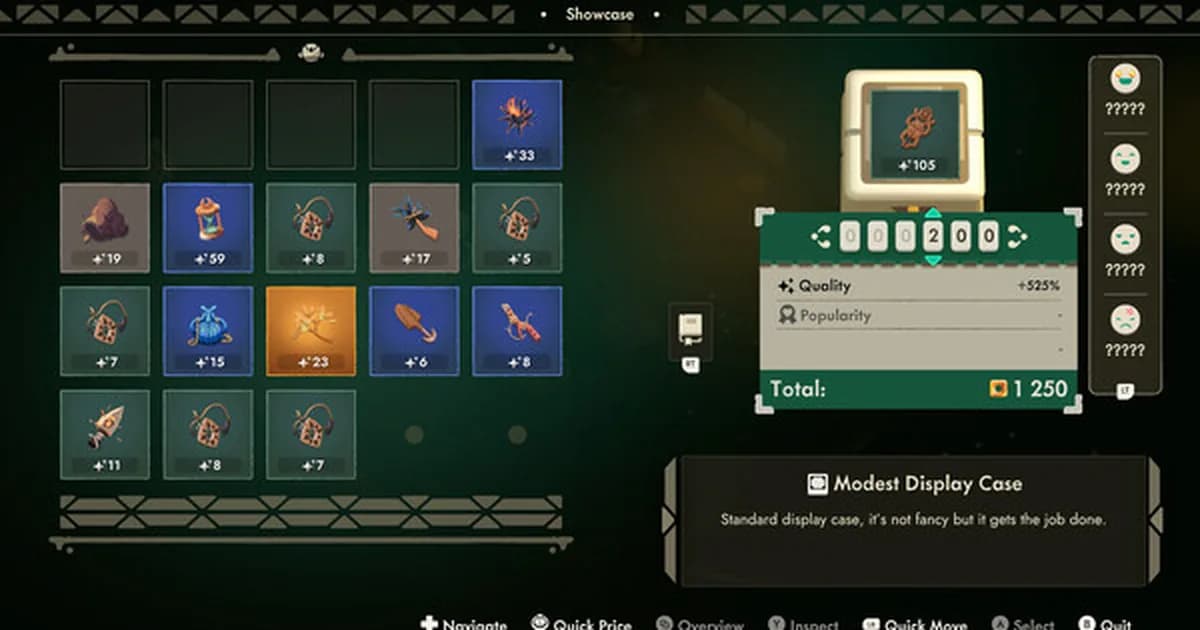
Do not treat a customer refusing an item as a failed shop. It is a signal about the price you chose. Change one thing at a time and remember what happened. That makes your next opening more useful than repeatedly moving the price until the sale happens, especially while you are still learning the shop's response language.
Separate backpack tests from money runs
One run can be for learning an unfamiliar relic interaction. Another can focus on bringing back items you already understand. Mixing both goals is fine, but label the goal before leaving. It stops you from selling a useful experiment because you needed space, or keeping a known duplicate because you forgot why it was there.
Make perks serve the run you are already playing
Steam describes Moonlighter 2 as having powerful perks and sales perks, but the official pages checked here do not support a complete universal “best perks” ranking. Read the exact effect and ask whether it helps the weapon, backpack, shop, or route you are using. A perk that is strong in one plan can be irrelevant in another.
Use the verified Bomb Path as a model for reading effects
The official 1.0 launch announcement gives a concrete example. Bomb Path marks enemies with explosive effects that trigger after they receive a certain number of attacks, then damage nearby enemies. That is enough to understand its shape: a perk can reward a particular combat rhythm and positioning. It is not evidence that Bomb Path is the best choice for every first run.
Keep your first upgrades legible
When several improvements are available, choose the one that fixes the problem you can name. More space helps a backpack problem. Better combat tools help a run that ends before you can bring loot home. A shop improvement helps a money problem. This sounds obvious, but it keeps the day-night loop connected instead of turning upgrades into a disconnected checklist.
GODEEPER: If the shop is not your only question, the Moonlighter 2 review explains how the 3D sequel expands the backpack and shop loop.
Moonlighter 2 perks: what is actually verifiable?
There is not enough official public information to name a universal list of best Moonlighter 2 perks without guessing. What is verified is the broad role: the Steam store names powerful perks in combat and sales perks in the shop, while the 1.0 announcement documents Bomb Path as a combat path with an attack-count trigger and area damage.
Use that boundary when you read perk advice. A source that names an effect and shows its trigger is useful. A list that simply calls several perks “best” without the effect text, patch context, or a real page is not enough for a reliable first-hours guide. For now, choose perks by the problem your current loop has exposed, keep the wording you can verify, and avoid rebuilding your whole run around a ranking that may be incomplete.
Frequently Asked Questions
What are the best Moonlighter 2 tips for beginners?
Build a loop you can repeat: bring home a readable haul, use the shop as feedback, and reinvest in the next bottleneck. Keep unknown or synergy-heavy relics until you understand them. Use the price guide for exact sale tiers.
What should I sell first in Moonlighter 2?
Start with an understood duplicate that is not needed for a visible upgrade or a backpack test. If you cannot explain what an item does yet, do not make it the first item you sell just because its current price looks attractive.
What should I keep in Moonlighter 2?
Keep unknown relics, items with untested backpack behavior, and materials that belong to an upgrade you are actively pursuing. The goal is temporary, purposeful storage, not keeping every drop forever.
Does the backpack matter in Moonlighter 2?
Yes. Steam says carefully arranging loot can unlock unique item synergies and calls backpack management key to financial success. That is why space decisions belong in the first-hours loop, not only in an endgame build guide.
Are there best perks in Moonlighter 2?
No complete, official universal ranking was available for this guide. Bomb Path is a verified example, but its documented trigger and area effect do not prove it belongs in every build. Pick from the effect text in front of you and match it to your current plan.
Where can I find exact Moonlighter 2 prices?
Read the linked Moonlighter 2 price guide. It covers the Cheap, Perfect, Expensive, and Overpriced tiers, plus the related Shop Perks and relic-effect systems without making this beginner guide repeat the full table.
References
- Moonlighter 2: The Endless Vault on Steam: the official loop description says to explore, gather relics, manage the backpack, sell, and reinvest; it also says careful arrangement unlocks item synergies.
- Moonlighter 2 official announcements: the 1.0 launch notes describe Bomb Path's attack-count trigger and nearby damage, while Hotfix 1 records the current PC performance context.
- Moonlighter 2 starter guide on Steam Community: a community reference for the early HUD, dungeon, relic, backpack, shop, and upgrade vocabulary. The page was checked even though its current status is removed.
- Moonlighter 2 1.0 launch trailer: official visual context for the systems covered here.
- Moonlighter 2 Steam key on Eneba: Global key, compare with the Steam price.
- Moonlighter 2 Steam key on Loaded: compare the price with Steam before you buy.
Related Reading
- Moonlighter 2 Weapons Tier List: 4 Types Ranked (2026): Compare the verified weapon type list if combat is the first problem you want to solve.
- Moonlighter 2 Review: Why the 3D Leap Actually Works: See how the sequel's 3D combat and backpack systems fit together.
- Dark Scrolls Beginner Tips Guide: Compare another recent roguelite's early-run decisions.
- Cursemark Tips Beginner Guide: Find another source-bounded set of first-run habits.
- Deep Rock Galactic Rogue Core Guide: All 5 Classes 2026: Deep Rock Galactic Rogue Core guide: all 5 Reclaimer classes, roguelite upgrade loop, co-op builds, EA roadmap, and how it compares to the original DRG.
- Best Roguelike Games 2026: Browse more current games built around repeatable runs and long-term decisions.
- Legionbound Tips Guide: Compare another guide that turns early choices into a clearer progression route.
Was this guide helpful?
About the author

Indie & JRPG Desk
GameBrief's byline for indie, JRPG, visual novel and cozy games. Warm, direct, and willing to say which one to buy.
- Indie, JRPG and visual novels
- Early access and survival
- Sources listed per article
Keep reading
Moonlighter 2 Dimensional Effects: Damage and Loot Explained
Guides · 7 min
Moonlighter 2 Achievements: All 56 Steam Unlocks Listed
Guides · 13 min
Moonlighter 2 Bosses Guide: All 6 Fights Explained
Guides · 9 min
Moonlighter 2 Weapons Tier List: 4 Types Ranked (2026)
Guides · 9 min
Moonlighter 2 Multiplayer: Is There Co-op in 2026?
Guides · 7 min
Moonlighter 2 Steam Deck: Verified Status and Settings
Guides · 12 min
Sponsored
Disclaimer
This article is published for informational and entertainment purposes. It does not constitute professional financial, legal, or technical advice. Game performance, online services, patch schedules, and store listings change. Verify critical details (pricing, system requirements, regional availability) with publishers and storefronts before you buy. Affiliate links, where present, help support our editorial work and are labelled in our affiliate disclosure.
Comments
Loading comments…