
GuideRisk of Rain 2
Risk of Rain 2 Co-op Guide: Multiplayer, Items and Revives
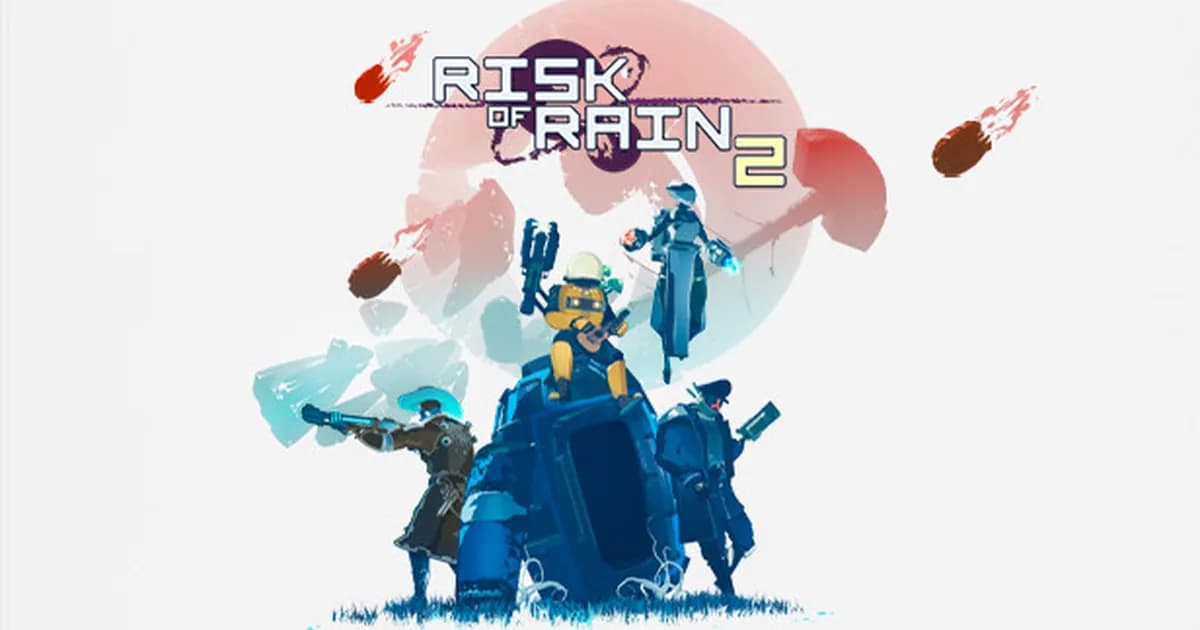
About the game
Risk of Rain 2
Hopoo Games
Risk of Rain 2 co-op is a four-player run where every survivor builds an individual inventory inside a shared, increasingly expensive world. This Risk of Rain 2 co-op guide explains what the host and teammates need to coordinate: item ownership, chest timing, difficulty scaling, role coverage, revives, alternate modes, and the Remote Operation feature added with Alloyed Collective.
 A full lobby changes the rhythm of a run. More players mean more damage and utility, but also faster pressure from the shared difficulty curve.
TL;DR: Risk of Rain 2 co-op supports four total players, with up to three friends joining the host online. Item pickups belong to the player who collects them, while the stage, interactables, teleporter, and difficulty curve are shared. Stay together without moving as one blob, call out valuable items, spend time efficiently, and remember that a dead player can pilot an ally drone with Remote Operation in Alloyed Collective until the revive arrives.
How does Risk of Rain 2 co-op work? (quick answer)
Risk of Rain 2 co-op lets one host run a normal or alternate mode with up to three friends. Each survivor has an individual inventory and build, but everyone shares the same stage, enemies, teleporter event, routes, and run timer. The official Steam listing confirms online co-op, and its store description specifically says you can play with up to three friends.
The important distinction is that Risk of Rain 2 co-op is not a four-way loot split. A player who picks up an item gains that item, so the group should coordinate around drops instead of racing for everything. Difficulty also responds to the lobby: multiplayer begins harder and the clock pushes scaling faster, so four players need to convert their extra damage into quicker stage clears.
Key Takeaways
- Risk of Rain 2 co-op supports four total players, including the host.
- Item inventories are individual. Say who needs a drop before someone takes it.
- Stage objects, the teleporter event, enemy spawns, and the route are shared by the lobby.
- Multiplayer has a higher initial difficulty and faster time-based scaling than solo play.
- A team needs damage, mobility, sustain, and someone willing to handle objectives, not four identical builds.
- Dead players normally return at a stage transition. Remote Operation gives a dead Alloyed Collective player something useful to do before then.
- Eclipse and Simulacrum support multiplayer. Prismatic Trials remain solo-only.
Operator is one of the current roster choices that can make a co-op team think about access, range, and who is best positioned to handle an objective.
Step-by-Step: start a Risk of Rain 2 co-op run
- Start with a four-player plan: decide whether the run is a normal loop, a Mithrix attempt, an Eclipse climb, or a Simulacrum push before the lobby locks in survivors. The Risk of Rain 2 complete guide hub gives the route context if one player is new.
- Pick complementary survivors: do not force formal classes onto the roster, because the game does not use a party-role screen. Instead, cover reliable damage, movement, crowd control, and healing or defensive utility across the group. The Risk of Rain 2 survivors guide is the roster reference.
- Assign a stage caller: one player should call when to activate the teleporter and when the team is done looting. This is a coordination rule, not a special in-game role. It prevents four people from independently deciding that the run needs one more chest.
- Call item drops before picking them up: say the item name, the intended survivor, and whether the current build actually needs it. If nobody has a clear use, take the drop that makes the next fight safer rather than saving every decision for a perfect build.
- Regroup before the teleporter: check that the team is near the event, that important cooldowns are available, and that nobody is still shopping on the far side of the map. The Risk of Rain 2 stages guide covers the route differences that make this timing matter.
- Choose the next objective together: after the teleporter, call the next stage route, a lunar detour, or a special boss path. A player who leaves for a shrine or hidden realm without warning can turn a small detour into a lost run because the rest of the lobby keeps paying the time cost.
- Use voice or short text callouts: “green for Loader,” “printer is safe,” “teleporter now,” and “I am down” are enough. The point is shared information, not a complicated raid script.
Risk of Rain 2 co-op item and gold rules
Risk of Rain 2 co-op uses individual item inventories, so the cleanest rule is to treat a pickup as reserved for the player who can use it best. The stage does not automatically hand every survivor a copy. That makes a quick callout more valuable than a rigid loot priority chart, especially when one player is carrying a weak early build and another already has the interaction the item enables.
The Risk of Rain 2 items and artifacts guide is the deeper item reference, but a multiplayer group can use three quick questions:
- Does this item fix a current weakness? Movement, healing, attack speed, and area damage often help immediately, even when they are not the most exciting late-game picks.
- Does one survivor scale with it better? A survivor with a reliable on-hit loop may get more from a proc item than a teammate whose kit rarely hits several times.
- Will the next shared interactable consume it? A 3D Printer, Scrapper, cauldron, or other machine can turn a personal decision into a run-shaping decision. Talk first, then interact.
Gold is a run resource used around the shared stage, so do not treat every chest as an independent shopping trip. A player who opens a cheap chest while the rest of the lobby is saving for a guaranteed high-value object can create a team argument without making the run stronger. Call out the teleporter plan, the last chest purchases, and any route machine before spending the group's available time.
The right co-op habit is not “the host decides every pickup.” It is visible intent. A player says what they want, another player confirms that it is not needed for a printer or Scrapper, and the group moves on. That keeps the Risk of Rain 2 interactables guide useful without turning every printer into a debate.
Risk of Rain 2 co-op difficulty scaling
Risk of Rain 2 co-op is harder at the start and accelerates more quickly because the multiplayer scaling rules raise the initial difficulty and make time advance the scaling bar faster. The official wiki's Difficulty page also notes that enemies still begin at level 1. The practical result is more expensive chests, faster danger, and less room for a four-player lobby to wander.
Extra players still provide real advantages. Four survivors can split sightlines, revive a downed teammate at the next transition, carry more equipment effects, and apply damage from different ranges. The mistake is spending those advantages on four separate shopping routes that all take too long. Multiplayer scaling rewards a group that clears a stage efficiently, not one that searches every corner before touching the teleporter.
The scaling curve also explains why a co-op run can feel worse after a slow first stage. The lobby has more damage available, but the enemies and interactable prices are responding to the same clock. Use the early stages to establish momentum: clear enough objects to secure real power, activate the teleporter before the stage becomes a museum tour, and move together when the next route is known.
If the group is learning, Drizzle is not the only way to reduce frustration. A normal Rainstorm run with a clear stage caller teaches more transferable co-op habits than four players silently farming on the easiest setting. When you are ready for a persistent challenge, the Risk of Rain 2 Eclipse guide explains how survivor-specific progression changes the stakes.
Risk of Rain 2 co-op roles and loadouts
Risk of Rain 2 co-op has no official tank, healer, or damage class labels, so roles are a planning tool rather than a roster rule. A strong four-player group usually wants one survivor who can stay active under pressure, one reliable source of area damage, one source of ranged or boss damage, and at least one player who can move safely through objectives and rescue attempts.
Do not interpret that as a demand for one “correct” party. The 18-survivor roster supports many combinations, and item drops often decide the final shape of a run. The Risk of Rain 2 survivors guide covers the complete roster, while the separate tier and build article is the better choice when you want a current ranking rather than unlock notes.
The most useful co-op loadout questions are practical:
- Who can clear small enemies without spending the ultimate cooldown?
- Who can reach a distant objective, portal, or ledge when the team is split?
- Who can contribute damage while the teleporter boss is moving?
- Who can survive long enough to reach a dead teammate or hold a safe position?
These questions matter more than trying to make four survivors share one item route. If the team has no mobility, a slow but high-damage build may never reach the next objective. If everyone has mobility but no reliable area damage, the lobby can still lose to ordinary waves. Build for the problems the next stage will create.
Risk of Rain 2 co-op revives and dead players
In a normal Risk of Rain 2 co-op run, a dead survivor is not permanently removed from the lobby. The usual recovery point is the next stage transition, while Seeker's Meditate can provide a special earlier revival when its conditions are met. Until then, the dead player should communicate enemy positions and avoid treating the remaining team as an audience.
Alloyed Collective adds a more active answer through Remote Operation. The official expansion notes describe a dead co-op player piloting an ally drone until revival. The drone is not a replacement survivor, but it lets the eliminated player contribute damage, utility, or information instead of waiting through an entire stage. The Risk of Rain 2 bosses and Alloyed Collective guide covers the broader expansion roster and its new drone types.
Remote Operation turns an ally drone into a temporary co-op role for a dead player, so choosing and protecting useful drones matters more in an Alloyed Collective lobby.
When someone dies, the living players should change priorities. Stop taking a risky detour for a low-value chest, move toward the safest route to the next stage, and use the remaining health and mobility to keep the run alive. If a boss is almost dead, finish it cleanly. If the team is scattered and one survivor is barely alive, regroup before attempting a hero rescue.
Risk of Rain 2 co-op drones and shared objectives
Drones are especially valuable in Risk of Rain 2 co-op because they add bodies and damage without asking another player to split from the group. The current game includes ordinary combat and healing drones alongside newer Alloyed Collective types. A drone is still a run resource: repairing one costs money, and an equipment drone can bind an active item to the unit, so decide whether the purchase helps the whole route.
A Healing Drone is a small but visible example of a co-op decision: spend now for sustain, or save the currency for a chest and keep moving.
The team should also distinguish personal builds from shared objectives. A player can own a damage item without the group needing to vote on it, but everyone pays the time cost of a printer, teleporter, lunar portal, or route detour. Before activating a machine, say what it does and who benefits. This is how a four-player group avoids the two most common failures: one person consumes the only useful item in a printer, or the team loses a minute arguing about an object that was never worth using.
The Risk of Rain 2 mods guide is the place to look if your group wants host-side sharing, drop-in tools, or multiplayer quality-of-life changes. Treat every mod as a separate compatibility decision after a game update, and agree on one profile before inviting new players.
Risk of Rain 2 co-op alternate modes
Risk of Rain 2 co-op extends beyond the standard teleporter route. The official game-mode reference says Eclipse and Simulacrum can be played in multiplayer, while Prismatic Trials are solo-only. That distinction matters when someone asks to bring a full lobby into a mode designed around a single fixed run.
Eclipse: every survivor tracks its own cumulative Eclipse level, but the multiplayer lobby uses the lowest relevant level for progression. The mode also disables some normal routes and adds modifiers that make healing, falls, and damage management less forgiving. Decide whether everyone is practicing the same survivor or simply trying to complete a run together before starting.
Simulacrum: this is a natural group mode because waves, the Assessment Focus, and the reward window keep the team in the same area. Every wave awards a Void Potential for each participating player, and dead players return when the wave ends. Read the Risk of Rain 2 Simulacrum guide before planning a wave 50 push.
Prismatic Trials: do not plan this as a multiplayer session. It is a solo two-stage mode built around a shared seed, Time Crystals, and a fixed route. The Risk of Rain 2 Prismatic Trials guide explains the exception and the rewards.
Risk of Rain 2 co-op mistakes to avoid
The most damaging Risk of Rain 2 co-op mistakes are coordination failures rather than obscure build errors. A team can recover from a mediocre white item. It is much harder to recover when four players spend the first stage in four directions, nobody calls the teleporter, and the lobby reaches the next environment underpowered and late.
- Do not race for every item. State who needs it and let the owner pick it up.
- Do not assume more players means slower scaling. Multiplayer starts with a higher coefficient and time matters more, so use the extra bodies to clear efficiently.
- Do not split before a dangerous event. One player finding a chest is not worth losing the team at the teleporter or boss.
- Do not leave a dead player uninformed. Call the next stage, the boss health, and the intended rescue route.
- Do not force a four-person build around one meme item. A run needs movement, damage, and survival before it needs a perfect interaction.
- Do not install a co-op mod casually. Everyone should use the same known-good profile, especially after a major DLC or patch.
The easiest way to improve is to give one player permission to call “teleporter now.” That sentence removes the most common ambiguity in a co-op run. If someone still needs one item, they can say so. If the answer is no, the team moves and lets the clock work for them instead of against them.
Related Reading
- Risk of Rain 2 Complete Guide: Survivors, Items, Bosses: the cluster hub for the full current game overview.
- Risk of Rain 2 Survivors Guide: All 18 Characters Ranked: the verified roster and DLC split before the team chooses roles.
- Risk of Rain 2 Items and Artifacts: Tiers and All 20 Explained: item categories, artifacts, and build context.
- Risk of Rain 2 Interactables: Shrines, Printers, Scrappers: the machines and shrines that co-op teams share.
- Risk of Rain 2 Simulacrum Guide: Waves and Rewards: the alternate mode built around a group staying inside one moving safe zone.
References
- Risk of Rain 2 on Steam: official feature list and store description confirming online co-op with up to three friends.
- Risk of Rain 2 official Difficulty reference: multiplayer initial difficulty, time scaling, enemy levels, and interactable costs.
- Risk of Rain 2 official Alternate Game Modes reference: Eclipse and Simulacrum multiplayer support and the solo-only Prismatic Trials rule.
- Risk of Rain 2 official Interactables reference: drones, printers, shrines, portals, and stage objects.
- Risk of Rain 2 official Steam announcements: current patch history, including Alloyed Collective's Remote Operation feature.
- Risk of Rain 2: Alloyed Collective Launch Trailer: official Gearbox video showing the current expansion context.
Frequently Asked Questions
How many players can play Risk of Rain 2 co-op?
Four total players can play online together: one host and up to three friends.
Are items shared in Risk of Rain 2 multiplayer?
No. Normal item pickups go to the player who collects them, so the team should call out valuable drops and build needs before anyone picks them up.
How does multiplayer difficulty scale?
The lobby starts with a higher initial difficulty and time advances the scaling faster. Enemies still begin at level 1, but chests and other interactables cost more as the run progresses.
How do you revive a dead teammate?
The usual revival point is the next stage transition. Seeker's Meditate can provide an earlier revival in the situations where its mechanic applies, and Remote Operation gives a dead player a temporary drone role in Alloyed Collective.
Can you play Eclipse with friends?
Yes. Eclipse supports multiplayer, and the lobby's progression uses the lowest relevant survivor level rather than letting one highly progressed player erase the team's challenge.
Can you play Simulacrum with friends?
Yes. Simulacrum supports multiplayer, awards a Void Potential to each participating player after a cleared wave, and respawns dead players when the wave ends.
Is Prismatic Trials multiplayer?
No. Prismatic Trials are solo-only, even though every player receives the same rotating seed.
Was this guide helpful?
About the author

Critical game theorist with a background in film criticism. Writing for print and digital outlets since 2015. Specialises in genre analysis and design heritage.
- Background in film criticism
- 10 years games coverage
- Genre theory and design history specialist
Keep reading
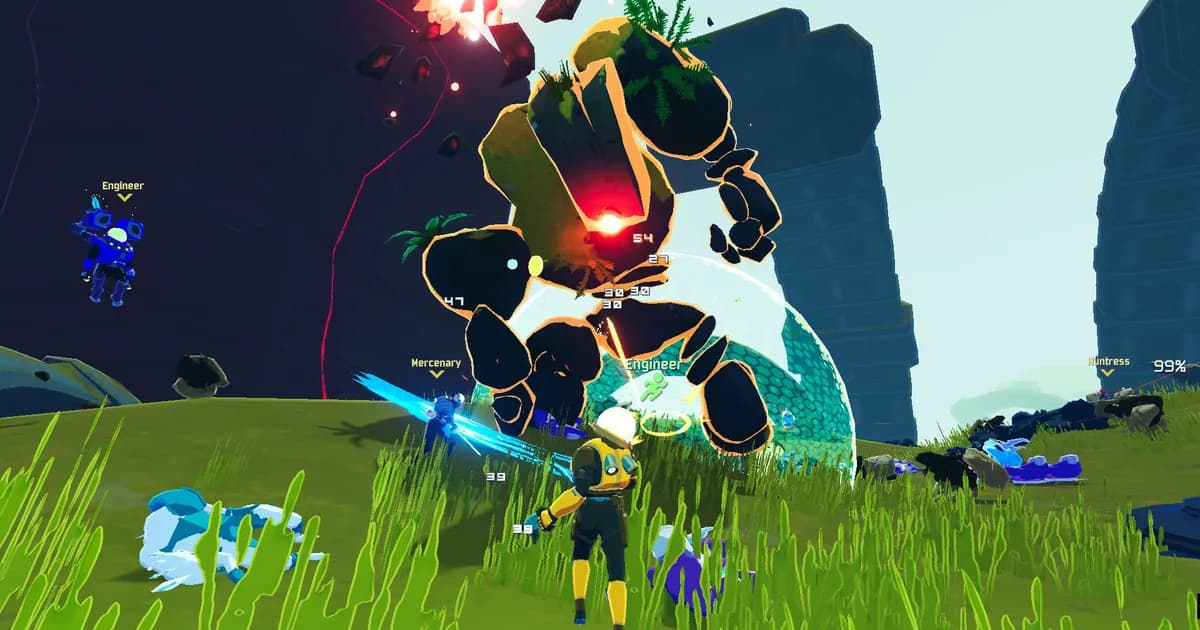
Risk of Rain 2 Achievements Guide: 171 Challenges Explained
General · 11 min
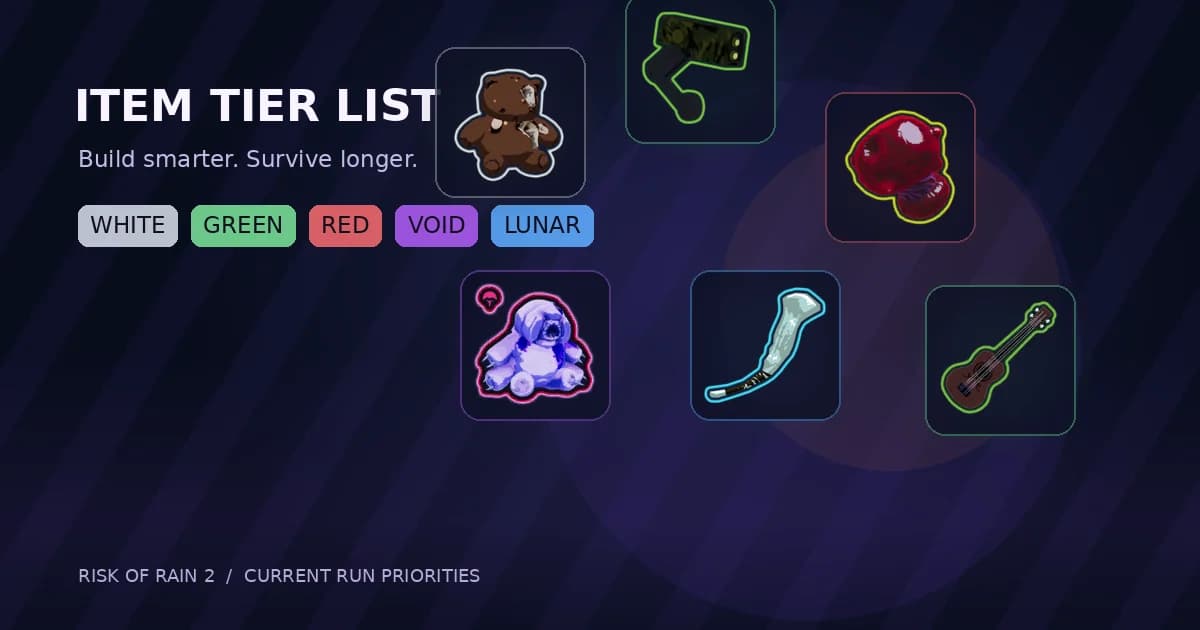
Risk of Rain 2 Item Tier List 2026: Best Items for Every Run
General · 15 min
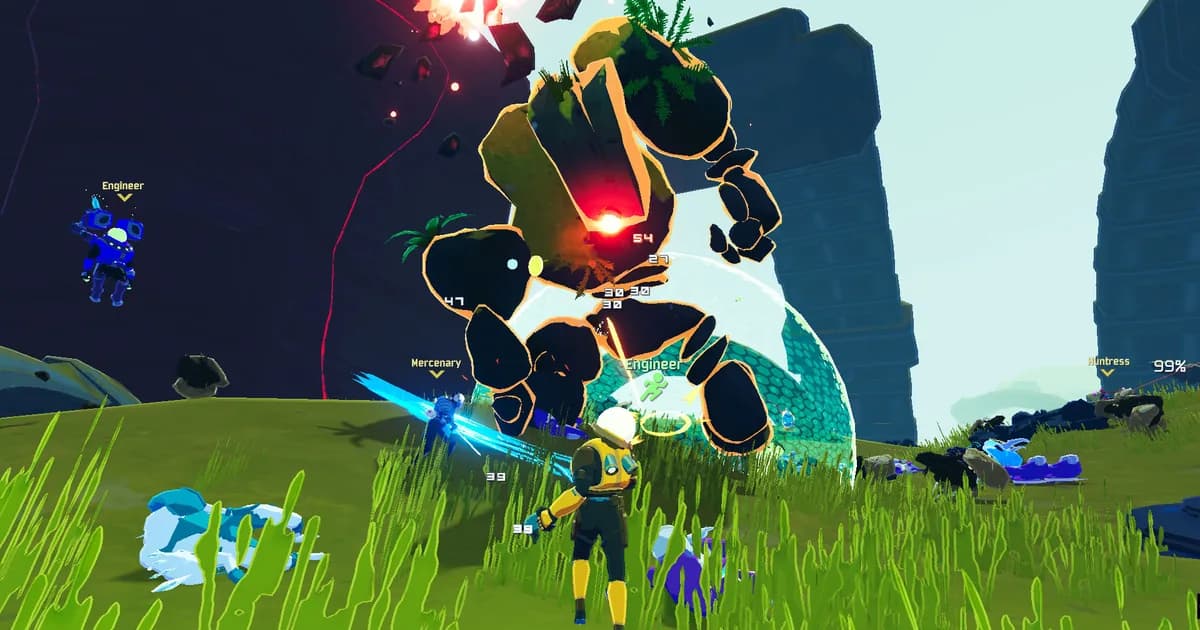
11 Best Risk of Rain 2 Mods: 2026 Thunderstore Picks
General · 20 min

Risk of Rain 2 Hallowed Concepts Reveals Acolyte, Enforcer
General · 3 min

Risk of Rain 2 Complete Guide: Survivors, Items, Bosses
General · 8 min

Risk of Rain 2 Bosses and the Alloyed Collective DLC
General · 10 min
Game deals · affiliate links

Disclaimer
This article is published for informational and entertainment purposes. It does not constitute professional financial, legal, or technical advice. Game performance, online services, patch schedules, and store listings change. Verify critical details (pricing, system requirements, regional availability) with publishers and storefronts before you buy. Affiliate links, where present, help support our editorial work and are labelled in our affiliate disclosure.
Comments
Loading comments…