GameBrief · Guides
33 Immortals Co-op Guide: 8 Tips for Better Team Play
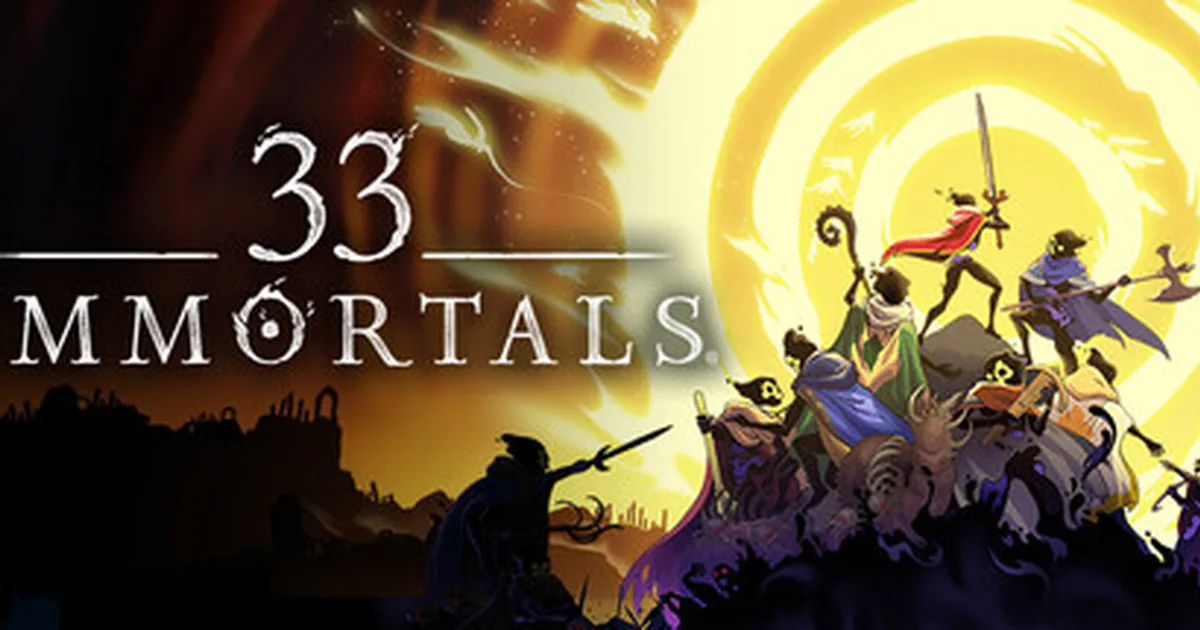
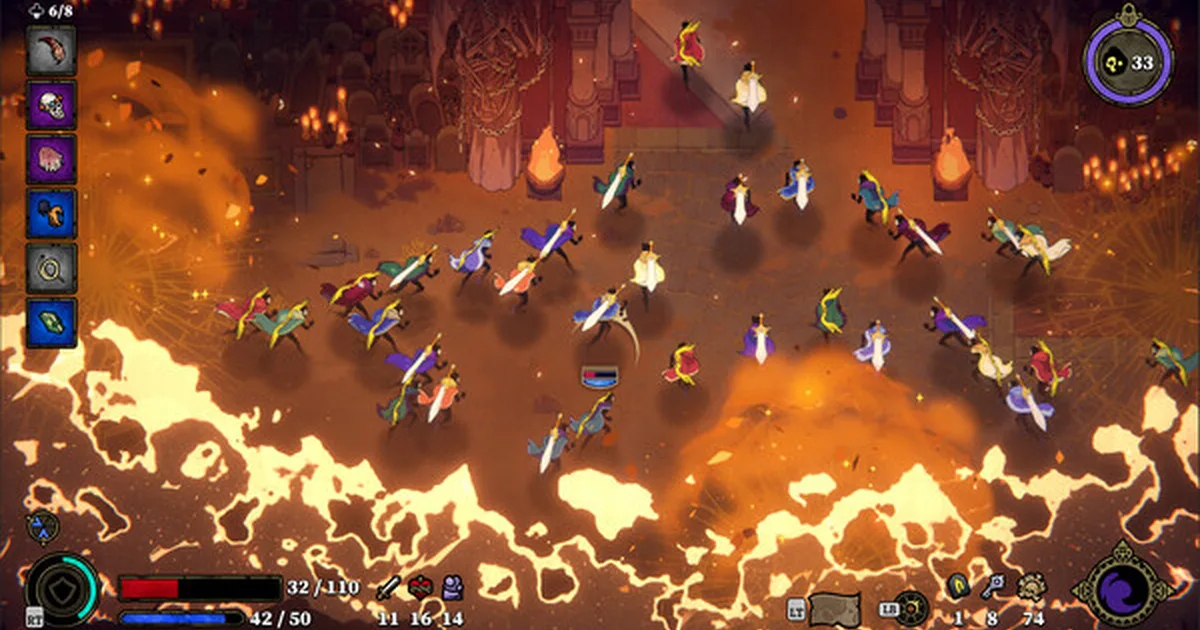
This 33 Immortals co-op guide covers the mechanics that actually matter when playing with strangers. The coordination problem in 33 Immortals is different from most co-op games: you're not organizing a squad of 4. You're trying to play coherently alongside 32 strangers who share a run but no voice channel and no pre-arranged plan. What Thunder Lotus built to handle this is genuinely clever, but it only pays off when players actually understand what it's asking them to do.
The game launched June 10, 2026 on Steam and Epic at $9.97. It runs up to 33 players through three realms, narrowing from 33 in Inferno to 22 in Purgatorio to 11 in Paradiso. Matchmaking fills instantly: queue solo or bring up to 4 friends, and you're in.
TL;DR: Stay physically close to your group to land Co-Strikes. Revive fallen allies when the area is clear enough to do it safely. Don't teleport to ascension battles immediately. Check which battle needs bodies and go there. Weapons themed by sins and virtues perform best when you commit to one line rather than mixing across themes. None of this requires voice chat.
33 Immortals co-op guide: how the mechanics actually work
The official Steam description says: "Revive fallen allies, combine powerful effects, and adapt to chaotic encounters as dozens of players battle side by side." What it glosses over is the specific decisions that determine whether a group holds together or falls apart after the first few chambers.
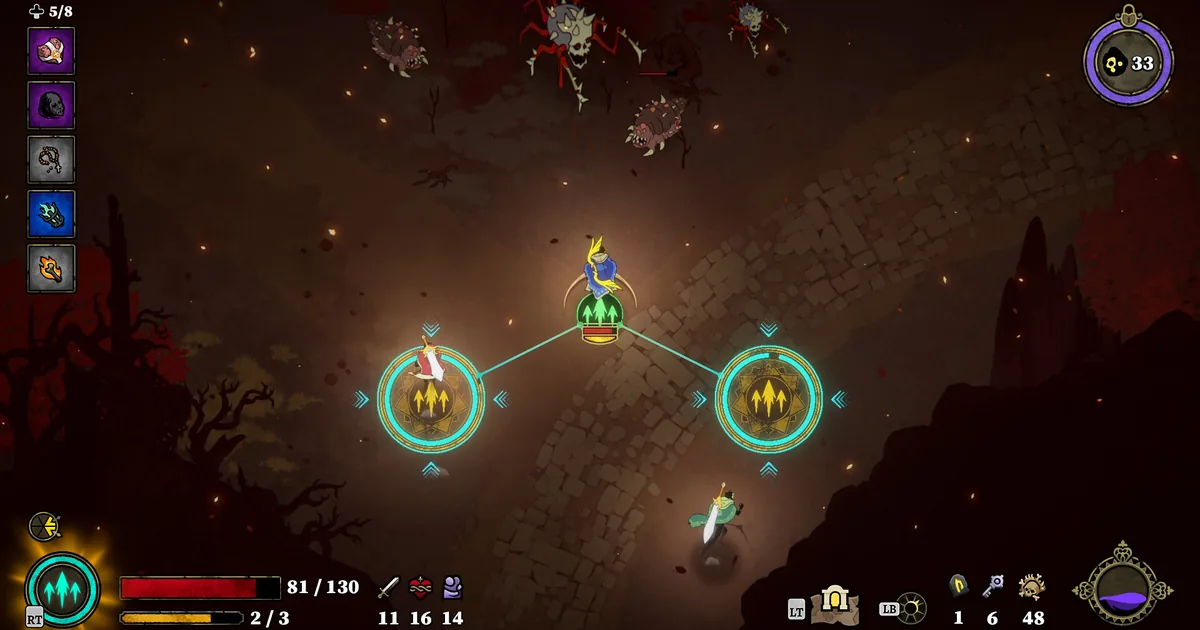
Two mechanics run everything. Co-Strike activates when you and at least one other player hit the same enemy at the same time. Your crit chance goes up, and the Co-op Power meter fills faster than any solo attack pattern can manage. Co-op Power fuels your strongest abilities. More Co-Strikes means more power, more crits, more Dust per kill, and that compounding effect is the difference between a group that tears through Inferno and one that barely survives it.
The Revive system is the second thing to understand. When a player goes down, others can stand over them to bring them back. The catch is timing: reviving mid-fight often just produces a second downed player. Groups that recover best clear an area first, then revive, then move. Rushing a revive into an active mob cluster costs more runs than it saves.
Key Takeaways
- 33 Immortals runs 33 players through Inferno, narrows to 22 in Purgatorio, and finishes with 11 in Paradiso
- Co-Strike triggers when multiple players hit the same enemy simultaneously, boosting crits and Co-op Power
- Revive fallen allies after clearing the immediate area, not mid-fight
- Weapons and relics follow sin and virtue themes, each with distinct combat mechanics
- Ascension battles determine how many players carry into the next realm, reinforce the ones losing players
- No voice chat needed: emotes, pings, and the Co-Strike mechanic handle most coordination
- Exactly 33 achievements tied to cooperative milestones, run completions, and realm-specific events
- Steam reviews as of launch: Mostly Positive across 683 recommendations
Positioning: why physical clustering matters
The first instinct in any large-group game is to spread out and cover more ground. In 33 Immortals that instinct costs you.
Co-Strike needs two players attacking the same target at the same time. That requires proximity. A player who scouts ahead, clears isolated mobs, or rushes to the next chamber is constantly fighting in a pattern that generates fewer Co-Strikes. The Dust deficit compounds quickly. By the midpoint of Inferno, a group that spread out is noticeably weaker on upgrades than one that stayed together, because every solo kill is a Co-Strike that didn't happen.
The practical approach: pick a target, look for other players converging on it, and commit to the same enemy they're hitting. In the opening chambers, the group naturally clusters before spreading habits develop. The runs that fall apart tend to do so because faster players start leading the group by 30 or 40 seconds and the chain of Co-Strikes breaks.
GODEEPER: New to the game entirely? The mechanics primer is here: 33 Immortals Beginner Guide: 9 Tips for Your First Runs →
Weapon themes and build coherence in a group
Weapons and relics in 33 Immortals draw from Dante's sins and virtues. Each category has distinct range, hit patterns, and secondary effects. For co-op, mixing weapon themes too loosely tends to produce builds that don't generate meaningful Co-op Power.
Players in the subreddit flagged the Staff of Sloth as one where output disappoints against what the description implies. Sticking to a theme rather than grabbing whichever relic looks strongest in isolation gives more consistent Co-op Power and, practically, it keeps your attack range predictable so nearby players can actually time Co-Strikes with you.
Melee options close fast and cluster naturally. Ranged weapons need more deliberate positioning to stay in Co-Strike range. Neither is a wrong choice. What matters is whether you're consistently within reach of the group rather than ranging across a different section of the room.
There's no required team composition. Three players on completely different builds can still Co-Strike reliably as long as they converge on the same targets. What breaks down is when someone's build keeps pulling them away from the group's fight.
Revive decisions: when to act and when to wait
Dense chambers turn reviving into a real decision problem. The instinct is to act immediately when someone goes down. Acting too fast usually just produces a second downed player, because the area wasn't controlled yet.
Think of reviving like reloading: you do it in the pause between threats, not during them. When a player goes down mid-fight, ping the spot and hold until the immediate cluster is cleared. Most wipes that start from a single downed player happen because someone rushed the revive into an active mob.
Paradiso changes this math a bit. With only 11 players, a failed revive creates a noticeable gap in the group's output. The stakes per revive are higher there. Groups that built the habit of waiting in Inferno carry it through without thinking about it.
Ascension battles: the highest-leverage co-op decision
When an ascension opportunity opens, you can teleport into one of several simultaneous boss fights. Most people go to whichever one is closest or first available. That's almost always the wrong move.
The actual question is which battle is hemorrhaging players. One extra body in a fight that's already winning adds marginal value. One extra body in a failing fight can flip it. The player count entering the next realm depends on how many ascension battles resolve cleanly. If three battles bleed out and you start Purgatorio with 18 instead of 22, that gap compounds going into Paradiso.
Boss relics carry into the next realm. Players who exit an ascension battle with more boss relics enter Purgatorio in better shape. So the calculus isn't just "keep players alive." It's also about what relic state the group carries through.
Ascension battles determine how many players carry into the next realm. Checking which battle needs reinforcement is more valuable than going to the nearest one.
GODEEPER: Full breakdown of the launch build and what the 1.0 update added: 33 Immortals 1.0: Three Realms, Final Boss, Now on Steam →
Using emotes effectively with strangers
Voice chat isn't required, but the emote system is. Three uses in particular carry the most weight:
Sigils and secret chambers: Mark them as soon as you find them rather than going in alone. Groups that clear these together get the full reward. Solo entry drops the Co-Strike bonus and leaves everyone else in the dark.
Lucido creatures: These special enemies pay out more in a group kill. Marking one before engaging gives nearby players a few seconds to converge. A marked Lucido cleared by three players generates more Dust than one taken down solo, and the difference is noticeable over a run.
Ascension signals: Before teleporting, ping where you're headed. It takes a second and tells other players which fights are covered and which still need bodies.
Runs that feel disorganized are usually ones where nobody's using any of this. Players who mark and ping consistently tend to pull nearby strangers into better habits just by doing it visibly. It's a small thing, but it compounds.
 The emote and ping system handles most coordination without voice chat; marking a Lucido creature before engaging gives nearby players time to converge for the Co-Strike bonus.
8 co-op tips for 33 Immortals
-
Cluster on targets, not on territory. Your job isn't to cover ground: it's to be on the same enemy as other players. Move toward fights already happening rather than starting new ones.
-
Revive after clearing, not during. Wait until the immediate area is under control before standing over a fallen ally. Rushing a revive into an active mob produces two downed players instead of one.
-
Check ascension battles before teleporting. Which one is losing players? That's the one that needs you, not the one that's already ahead.
-
Pick the Dust perk first at every upgrade point where it's available. The early investment compounds across every subsequent upgrade choice. Players who skip it for damage up front tend to run short on options in the back half of a run.
-
Mark Lucido creatures before engaging. Use the emote, wait two seconds for nearby players to converge, then fight. The Co-Strike bonus from a group takedown is worth the brief pause.
-
Commit to a weapon theme. Weapons and relics are organized around sins and virtues. Picking within one theme gives more consistent output than mixing across them.
-
Stop at bone shrines. The group consolidates there naturally. Skipping a shrine to keep pace with the fastest players leaves you exposed for the next chamber with no way to recover until the next one.
-
In Paradiso, read the boss before attacking. The final realm's encounters require group coordination on specific mechanics. Stacking damage on a boss that needs positioning work is a wipe waiting to happen.
Related Reading
- 33 Immortals Beginner Guide: 9 Tips for Your First Runs: covers Co-Strike, Dust perk priority, and what the Compendium actually tells you before run one.
- 33 Immortals 1.0: Three Realms, Final Boss, Now on Steam: what Thunder Lotus added in 1.0 and what the Xbox delay means for players waiting on Game Pass.
- Best Roguelike Games 2026: where 33 Immortals fits against the other co-op and solo roguelite releases this year.
- Tears of Metal Co-op Roguelike Demo: a smaller-scale co-op roguelite with Steam Next Fest demo access worth comparing.
Frequently Asked Questions
Can you bring friends into a 33 Immortals run? Yes. You can party up with up to 4 friends before queuing, and matchmaking fills the remaining slots with strangers instantly. No lobby setup or waiting room is required. The run starts immediately.
What is the Revive mechanic in 33 Immortals? When an ally falls in combat, you can stand over them and revive them. The timing matters: reviving in a dense mob cluster usually gets you killed too, while reviving after the group clears the area is faster and safer. Losing a player is recoverable if someone acts quickly.
How does Co-Strike scale with more players? Co-Strike triggers when two or more players hit the same enemy at the same time. It boosts your critical hit chance and fills the Co-op Power meter faster than solo attacks. Groups that cluster attacks tightly generate significantly more Co-op Power over a full Inferno run than groups that spread out.
Should you use the same weapon class in a group? Not necessarily. Weapons and relics are themed around the seven sins and virtues, each with distinct ranges and effects. What matters more than matching classes is staying physically close enough to Co-Strike together.
What happens if your group fails an ascension battle? A failed ascension battle removes players from the run. Reaching Paradiso with the full 11 is harder when ascension battles bleed out early. Reinforcing struggling battles is almost always worth the teleport.
Is voice chat necessary in 33 Immortals? No. Thunder Lotus designed the coordination system around in-game emotes and pings. Players can mark sigils, call out special enemies, and signal ascension battle positions without voice chat. The system functions well with strangers.
How do you handle Lucido creatures in co-op? When you spot a Lucido creature, use the emote system to mark it immediately. These special enemies pay out more when taken down as a group. Marking and converging takes a few seconds and pays out better than solo clearing.
References
- 33 Immortals on Steam: official store page with pricing, system requirements, and co-op feature list
- Thunder Lotus official site: developer studio and game page
- r/33Immortals on Reddit: subreddit where ascension battle and Lucido tips in this guide were sourced
- Xbox 1.0 patch notes: Thunder Lotus blog on Xbox version launch
Was this guide helpful?
About the author

Senior Critic & Analyst
Former game data analyst turned critic with 11 years covering indie and mid-tier games. Based in Austin. Runs spreadsheets on games most people just play.
- 11 years games criticism
- Former game economy analyst
- Roguelike and strategy specialist
Keep reading


Disclaimer
This article is published for informational and entertainment purposes. It does not constitute professional financial, legal, or technical advice. Game performance, online services, patch schedules, and store listings change. Verify critical details (pricing, system requirements, regional availability) with publishers and storefronts before you buy. Affiliate links, where present, help support our editorial work and are labelled in our affiliate disclosure.