
GameBrief · Guides
Subnautica 2 Beginner Guide: Systems, Survival, First Hours
Reviewing
Subnautica 2
Unknown Worlds Entertainment · Unknown Worlds Entertainment
Subnautica 2 beginner guide, because the Early Access build asks you to learn an alien-ocean survival loop while its systems are still evolving.
Unknown Worlds is still tuning the game through Early Access, so the safest advice is to build habits around systems the developer is actively documenting: oxygen management, scanning, Biomods, bases, power, and optional co-op.
TL;DR: Subnautica 2 beginner guide: scan creatures and useful resources, keep dives short until you understand your oxygen margin, build a small powered shelter before range becomes a problem, and use the PDA to confirm what each Early Access unlock actually does. Biomods and co-op are evolving systems, so avoid relying on an invented upgrade tree or fixed biome thresholds.
Subnautica 2 beginner guide: quick answers
- Scan creatures and resources with the Bioscanner, then check the PDA for the resulting unlocks.
- Treat oxygen, food, and water as separate budgets; turn back before any one of them becomes critical.
- Build a compact, powered shelter when repeated trips make the escape pod inconvenient.
- Biomods are the current documented progression term; do not assume every community “DNA tree” claim describes the live build.
- Co-op is optional and supports up to three friends according to the official store page.
- Keep food and water stocked before a longer expedition.
Current status: September 2026
Subnautica 2 entered Early Access on May 14, 2026. The official Early Access 1.2 Buddy System update added proximity chat, player revives, player trading, and more co-op systems; a September hotfix also fixed in-progress Axum Powerplant Turbines disappearing or becoming uncompletable. Because the game is still changing, verify a recipe, creature behavior, or Biomod requirement against the current PDA and patch notes before treating an old guide as definitive.
What Subnautica 2 is (and what's different from Subnautica 1)
Subnautica 2 is a first-person underwater survival game in Early Access. The Steam page describes it as playable solo or in online co-op with up to three friends, so a beginner route should work whether you are learning alone or sharing tasks with a group.
The core loop is familiar: dive, scan creatures and resources, bring materials back to a safe base, craft what the current build makes available, and explore farther. Co-op is included, but the official page does not make a fixed difficulty-scaling promise, so treat party-size balance as something to test rather than assume.
The clearest current progression term is Biomods. In its official update notes, Unknown Worlds says Bioscanner creature scans unlock additional passive Biomod slots and that Biolabs provide Biomods. That is enough to make scanning a priority, but not enough to claim a fixed branch tree, exact effect list, or Leviathan-detection upgrade until the live PDA documents it.
New players from other survival games: the creature scanner is not a bestiary. It's a crafting ingredient. Scan everything.
Step-by-step: the first 30 minutes
The escape pod is your starting point. You have basic tools and a limited safety margin, so use the first session to learn the PDA, scan nearby life and resources, and establish a repeatable route back to shelter.
Minute 0-10: establish your scanning habit
The moment you can move, start scanning. Scan nearby creatures and resources, then read the PDA entry instead of assuming every scan grants the same kind of reward. The official Buddy System-era notes specifically connect creature scans to passive Biomod slots, which is a reliable reason to scan even when you are not hunting a recipe.
Players who skip scanning lose information and may delay scan-gated unlocks. Prioritize new creatures and resources over repeatedly scanning the same target, but use the PDA to confirm what has actually changed in your build.
Minute 10-20: gather basic materials
The Fabricator in your escape pod lets you craft starting equipment. A safe priority is:
- Oxygen support if the current recipe list offers it.
- Food and water supplies for the next planned trip.
- Scanning or gathering tools that the PDA identifies as the next useful upgrade.
Do not turn an early materials run into a depth challenge. Gather close to shelter, note which resources the PDA flags for your next recipe, and return while you still have a comfortable oxygen margin.
Minute 20-30: pick your base location
Build your first small base before repeated trips take you beyond a comfortable return route. Use it for storage, crafting, and power management, and test each module before treating it as a permanent logistics hub.
Choose a location that is easy to recognize and close enough to resources you are already collecting. Do not commit to a precise depth, biome name, or module list from an older guide: Early Access recipes and base pieces can change. Start small, confirm power and storage, and expand after the first base loop works.
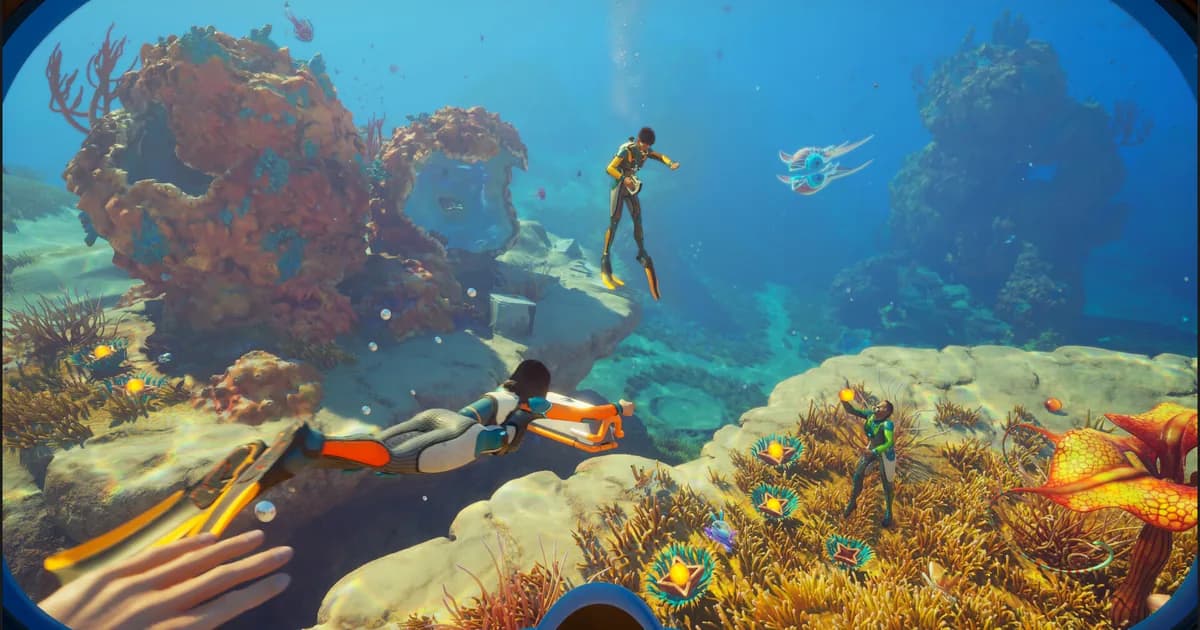
Scanning in the first minutes: the Bioscanner records creatures and resources, while the current update notes tie creature scans to additional passive Biomod slots.
Oxygen: your first survival budget
Oxygen is the mechanic most likely to end an otherwise successful early expedition. Treat the gauge as a hard return signal, not a challenge to squeeze one more resource from a cave.
Practical oxygen management:
- Watch the gauge, not your plan: if a detour makes the return route uncertain, turn around early.
- Use landmarks and short loops: learn one safe route before adding a deeper branch.
- Treat upgrades as conditional: only rely on an oxygen or Biomod effect after the PDA shows that it is active.
- Carry a buffer: food, water, and oxygen can fail at the same time when a player becomes lost.
In co-op, oxygen management is individual. Your teammate's oxygen level doesn't affect yours. The risk is psychological: following a teammate who has different oxygen management habits into a dive that their tank can handle but yours can't.
Biomods and the Bioscanner: what is confirmed
Community guides may call the system “DNA modification,” but the current official patch vocabulary is Bioscanner and Biomods.
When you scan a creature, inspect the resulting PDA entry and the Biolab-related unlocks. Unknown Worlds has confirmed that creature scans can unlock additional passive Biomod slots. The following exact branch list is not confirmed by the official notes, so do not treat it as a live-build checklist:
- Confirmed term: Biomods are passive upgrades, and the Bioscanner is part of their unlock path.
- Confirmed workflow: scan creatures, check the PDA, then use the Biolab or other currently listed station when the game exposes the unlock.
- Not confirmed here: a fixed five-branch tree, exact percentages, exact depths, or a guaranteed Leviathan-detection modifier.
If an upgrade has a cost, depth, or biome requirement, use the value shown in the live PDA rather than a static number from a pre-release guide. Early Access progression can change between patches.
The practical implication is simple: if a new area feels unsafe, return with more information and a verified upgrade instead of assuming a particular community route is mandatory.
GODEEPER: Full DNA modification tree, creature scan priorities by biome, and which mods to stack first. Subnautica 2 DNA Modification Guide →
Food and water: less urgent than you think
Subnautica 2 has food and water meters, so the beginner loop should include a supply check before every longer expedition. The exact recipes and resource locations can change during Early Access.
Food: use the currently listed gathering and cooking recipes, and carry enough for the return trip rather than relying on a single source.
Water: follow the PDA's current recipes and keep a reserve before a longer dive. Do not build a plan around a named filtration module unless the live Fabricator lists it.
The first-base priority is dependable storage and power, followed by whichever food or water solution the current recipe list supports. Running out of water while exploring is avoidable if the base loop is tested before a long expedition.
Creatures: what to know before you die
Creature behavior and combat options are still subject to Early Access tuning. Until you have verified a threat's behavior in the current build, treat unfamiliar creatures as hazards and prioritize distance, terrain, and a safe return route.
What this means practically:
- Use encounters as information: a dangerous creature is a reason to mark the route and return with a better plan.
- Scan from a safe position: do not assume every scan is risk-free just because the tool is available.
- Verify upgrades: only rely on a defensive Biomod or creature interaction once the PDA and live build confirm it.
- Keep an exit route: distance, terrain, and oxygen matter more than an unverified combat claim.
GODEEPER: Every creature in the Early Access build, behavior patterns, and which ones can actually harm you. Subnautica 2 Creature Guide →
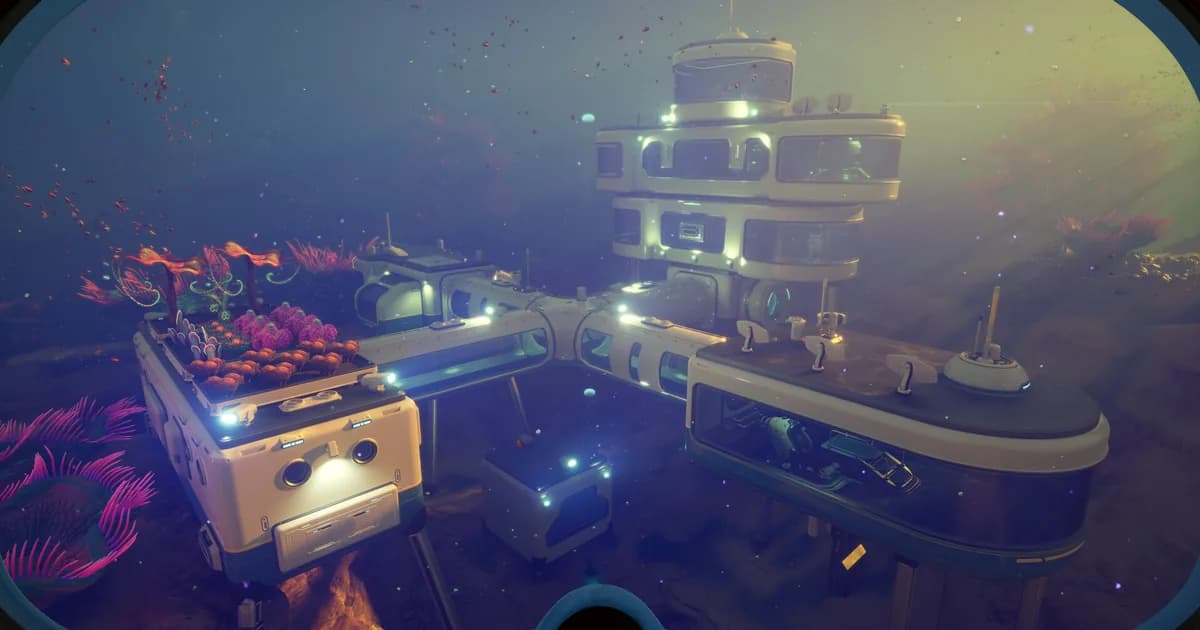
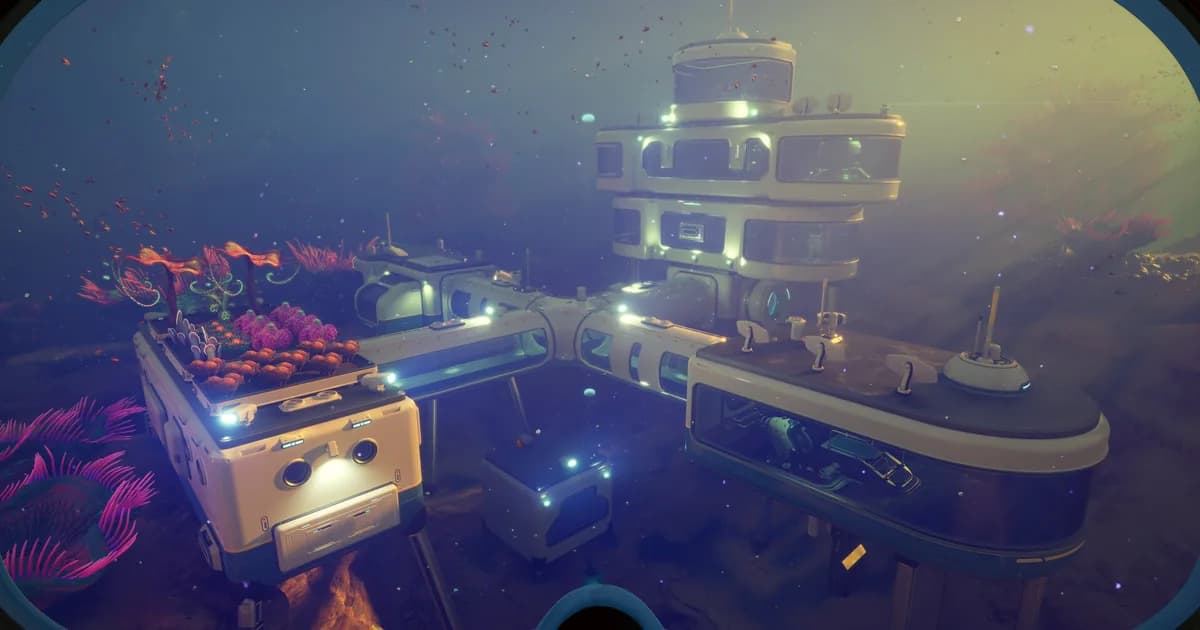
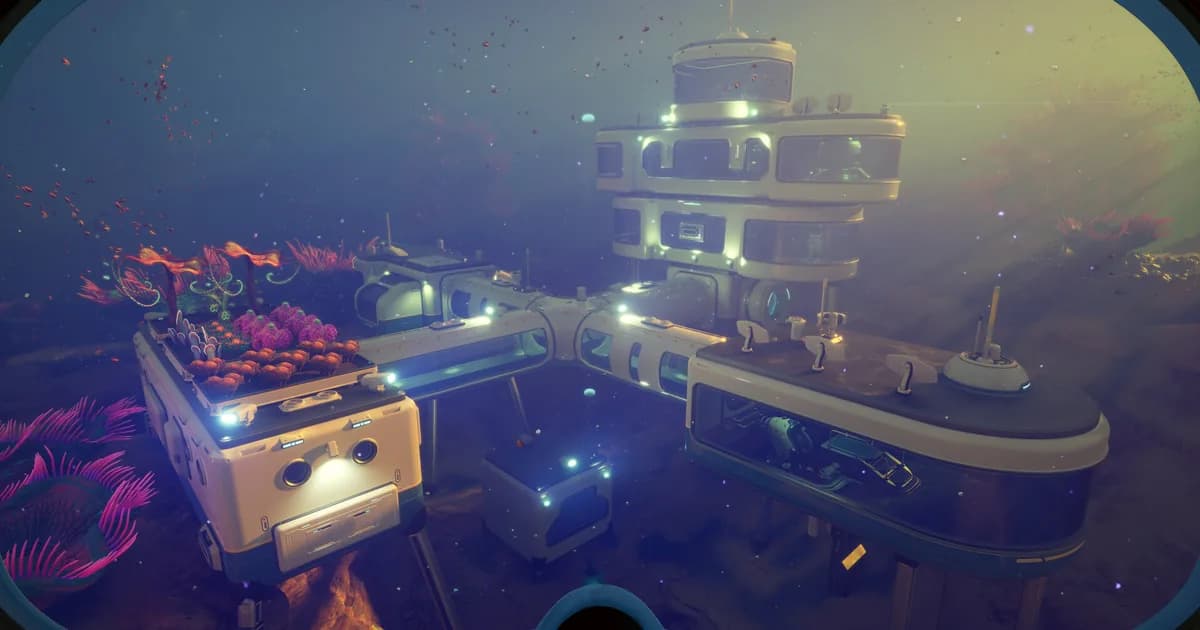
A functional first base should be small, recognizable, powered, and close enough to your early resource loop that you can return before oxygen or supplies become critical.
5 mistakes new players make
1. Treating the Bioscanner as optional Scanning records information and can contribute to passive Biomod unlocks. Make it part of every safe expedition, but check the PDA instead of assuming a scan grants a specific recipe.
2. Building the base too late Players who explore first and build later have no tested storage, power, or return loop. Build a small shelter within the first session, then expand only when the next trip needs it.
3. Treating oxygen as spare time Turn around while the route is still obvious. The resource will remain available on the next dive; the lost inventory from a panic return may not.
4. Treating Biomods as a fixed old skill tree Use the live PDA and patch notes. Biomods are confirmed, but old descriptions of branches, percentages, and station requirements may not match the Early Access build.
5. Testing an unfamiliar creature without an exit Scan and observe from a safe position first. Keep oxygen, terrain, and the route home in mind before committing to a deeper encounter.
Where to go next
When the nearby resource loop feels routine, choose the next area from the PDA's current objectives and recipes. Bring a return plan, spare supplies, and only the upgrades the game has confirmed for your build.
If the current build offers a vehicle or deeper-water upgrade, read its recipe and storage requirements before committing materials. New mobility expands risk as well as range.
GODEEPER: Every module, power source, and depth rating explained. Subnautica 2 Base Building Guide →
Frequently asked questions
How long is Subnautica 2 Early Access? Unknown Worlds has not confirmed a fixed full-release timeline in the sources used for this audit. Treat the current build as work in progress and expect content, balance, and terminology to change.
Can I play Subnautica 2 solo? Yes. The official Steam page describes solo play and online co-op with up to three friends. It does not promise a specific difficulty-scaling rule, so do not assume solo and four-player progression are numerically identical.
What platforms is Subnautica 2 on? PC (Steam) and Xbox Series X|S. No PlayStation version has been announced.
How do I find my escape pod again? Use the escape pod and other recognizable landmarks as navigation anchors, and follow the PDA's current objectives. Avoid relying on a named landmark or a fixed map claim that may belong to an older Early Access build.
Related Reading
- Subnautica 2 Complete Guide Hub →
- Subnautica 2 DNA Modification Guide →
- Subnautica 2 Base Building Guide →
- Subnautica 2 Oxygen Survival Guide →
- Subnautica 2 Creature Guide →
- Subnautica 2 Biomes Guide →
- Subnautica 2 Shiver Leviathan: The Void's Pack Hunter: a creature-focused follow-up.
- Abiotic Factor Beginner Guide: Tips and First Steps 2026: another survival-game starting route.
- Witchspire Beginner Guide: All 6 Covens Explained 2026: a comparison for readers coming from another Early Access system.
- Subnautica 2 Leviathan Guide: Avoid, Scan, Survive: a threat-avoidance follow-up.
- Best Early Access Games Worth Buying Right Now: May 2026: broader Early Access context.
References
- Subnautica 2 on Steam: official Early Access page, updates, and patch notes
- Subnautica 2 Early Access Released: Unknown Worlds' launch announcement
- Subnautica 2 official news: Buddy System update and hotfix notes
- Unknown Worlds Entertainment: the developer behind Subnautica 2
Was this guide helpful?
About the author

Critical game theorist with a background in film criticism. Writing for print and digital outlets since 2015. Specialises in genre analysis and design heritage.
- Background in film criticism
- 10 years games coverage
- Genre theory and design history specialist
Keep reading
Subnautica 2 Immortal Creatures: Why You Can't Kill Fauna
Guides · 9 min
Subnautica 2 Food Guide: Digestion, Fish, and Easy Meals
General · 8 min
Subnautica 2 Creature Evasion: 4 Biomods That Actually Work
Guides · 10 min
Subnautica 2 Co-op Guide: Setup, Roles, and Strategy
General · 15 min
Subnautica 2 Hotfix 2: Full Patch Notes and Changes
General · 4 min
Subnautica 2 Lore: Ryley Robinson, Alien Ruins Explained
General · 9 min

Disclaimer
This article is published for informational and entertainment purposes. It does not constitute professional financial, legal, or technical advice. Game performance, online services, patch schedules, and store listings change. Verify critical details (pricing, system requirements, regional availability) with publishers and storefronts before you buy. Affiliate links, where present, help support our editorial work and are labelled in our affiliate disclosure.
Comments
Loading comments…