
GameBrief · General
Subnautica 2 Weapons: What You Use Instead of a Knife
Reviewing
Subnautica 2
Unknown Worlds Entertainment · Krafton
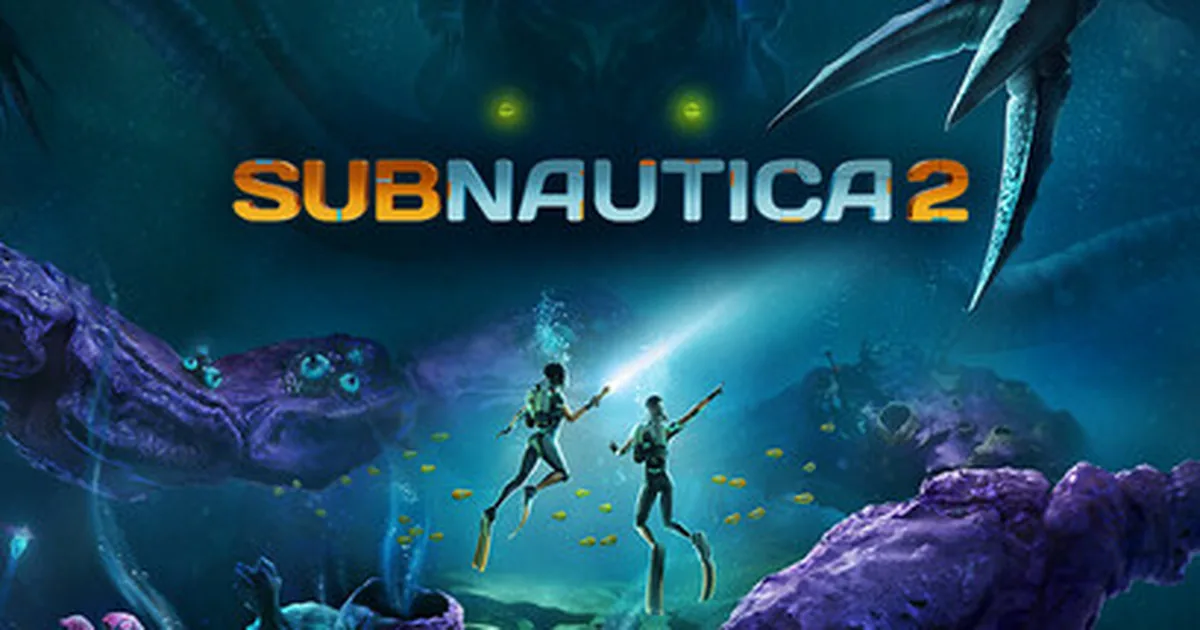
Subnautica 2 weapons are not the answer the current Early Access build gives you. There is no knife or conventional combat loadout, so surviving an aggressive creature means combining movement, awareness, and a few utility effects. This guide covers what is verified now and where the old no-tools explanation has become stale.
TL;DR: Subnautica 2 still does not offer a conventional knife or kill-focused weapon in Early Access. The Seaglide creates distance, while the Sonic and Feedback Resonators now provide limited stun or deterrence options after the Adaptive Measures update. Unknown Worlds is tuning encounters rather than promising a traditional weapon system, so treat every predator encounter as an escape problem.
Current status: September 2026 (quick answer)
The current Steam snapshot used for this audit listed Subnautica 2 at $29.99 in the United States, with 93% positive from 71,927 English reviews and 87% positive from 2,035 recent reviews. It remains an Early Access game from Unknown Worlds. The store describes an Early Access period of roughly two to three years and says the current build already includes multiplayer, multiple biomes, narrative content, creatures, and craftables.
The important freshness point is that “there are no weapons” no longer means “there are no encounter tools.” The official Adaptive Measures notes document stun changes for the Feedback Resonator and Sonic Resonator. The official Hotfix 3 notes also document creature, flare, and Tadpole interaction changes. Those are the mechanics this guide uses below. They do not amount to a confirmed knife, firearm, or creature-killing system.
Subnautica 2 weapons: what is available now
The short answer is no conventional weapon. The current Early Access toolset is mostly utility equipment: the Survival Multitool, Scanner, Air Bladder, Flashlight, Habitat Builder, and Seaglide. The resonators add a defensive layer, but their role is control or deterrence rather than damage rotation.
That distinction matters when reading old guides. A guide that says every tool is irrelevant to a chase is outdated, but a guide that calls a resonator a weapon overstates what it does. The safest description is “utility with encounter effects.” You still solve most danger by choosing a route, watching oxygen, and leaving before a creature can pin you against terrain.
The community discussion around a knife is understandable because the first Subnautica trained players to expect a basic melee tool. Unknown Worlds has instead described the series as being built around vulnerability, exploration, and survival rather than traditional weapon-based combat. That is a design direction, not a promise that every future tool will work exactly like the current ones.
 The current loadout is a utility kit. Movement and information are still more valuable than trying to trade damage with fauna.
What the Seaglide and resonators actually do
The Seaglide is the most reliable general-purpose defense because it changes the geometry of an encounter. It lets you leave a bad angle quickly, reach open water, and preserve oxygen while you choose a safer route. It does not make you invulnerable. A narrow cave, a low battery, or a blocked exit can still turn a fast tool into a dead end.
The Sonic Resonator is the clearest current example of a defensive effect. The official Adaptive Measures notes list a 10-second creature stun duration. Treat that as a window to turn, surface, or move through a gap, not as permission to stand beside a predator. The Feedback Resonator was also changed so that it stuns instead of causing creatures to flee. Because these are control effects, their practical value depends on timing and line of escape.
The Survival Multitool remains primarily a harvesting and utility tool. Hotfix 3 specifically changed Nibbler perception, movement, and sensitivity to the Multitool, so dismissing every creature interaction with it as impossible is too broad. That note does not establish a universal damage or knockback rule for all fauna. Use the tool for the interaction the current creature and patch notes actually support.
The Scanner is information, not crowd control. Scanning a creature may help you learn its entry or collect data, but it is not a safe action during an active charge. The Air Bladder and oxygen upgrades are similarly defensive because they create time and vertical escape options, not because they hurt anything.
Why the game still feels weaponless
The missing knife creates a real tactical gap even when the resonators work. In the first game, a Stasis Rifle could buy breathing room and a Propulsion Cannon could change how players approached hazards. In Subnautica 2, the current tools are narrower. You may be able to stun or redirect a threat, but you are still expected to leave the encounter rather than clear the area.
That is why “can I kill this creature?” is the wrong first question for the current build. Ask whether the route gives you two exits, whether your battery and oxygen are high enough for the return trip, and whether you can use a resonator without getting trapped in an animation. A build that answers those questions is safer than a hypothetical knife build.
How to defend yourself without traditional weapons
Seaglide first: keep it charged and use it before a creature reaches contact range. Turning early is more reliable than waiting for a hit and trying to recover afterward.
Keep an exit visible: do not enter a narrow trench or cave with a predator behind you unless you already know where the next open pocket is. The most dangerous encounter is often a normal creature plus a bad camera angle.
Use a resonator for a route, not a duel: a stun is valuable when it lets you cross a threshold or reach oxygen. It is wasteful when you use it and then remain beside the same creature with no plan.
Protect oxygen and battery: upgrade oxygen capacity, return before the warning becomes urgent, and avoid spending the last charge of the Seaglide on a nonessential detour. Survival tools are only defensive while they still have power.
Move the base away from repeated pressure: base placement can reduce how often you begin a trip inside an aggressive creature's path. Use the Subnautica 2 biomes guide and creature guide as route references, but verify what you see in your own current build because Early Access creature placement can change.
What the 2026 patches changed
The current official notes show a pattern of encounter tuning rather than a move toward conventional weapons. Adaptive Measures changed the Feedback Resonator and Sonic Resonator effects. Hotfix 3 stopped Hammerheads from attacking unpiloted Tadpoles, changed flare attraction behavior, adjusted Marrowbreach damage and attack spacing, and changed Nibbler interaction with the Multitool. The Subnautica 2 patch guide tracks the update context.
These are useful changes because they reduce unfair-feeling situations without turning the game into a shooter. They also explain why an old article that says flares do nothing or that every tool has zero defensive value should not be trusted without a date. Patch notes are the best place to check whether a creature behavior changed.
Unknown Worlds' community letter also says the team is working on aggression timing, aggro range, flare effectiveness, the Survival Tool, and vehicle and base interactions. It does not announce a knife, a weapon list, or a date for any such system. Keep that difference clear when planning a long-term build.
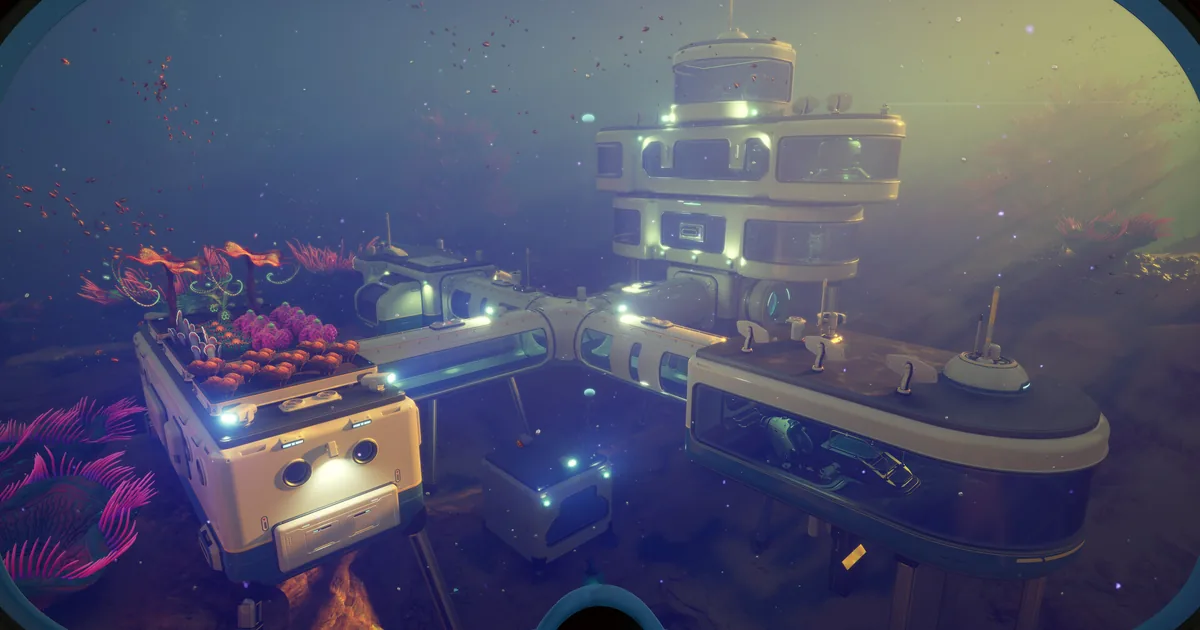
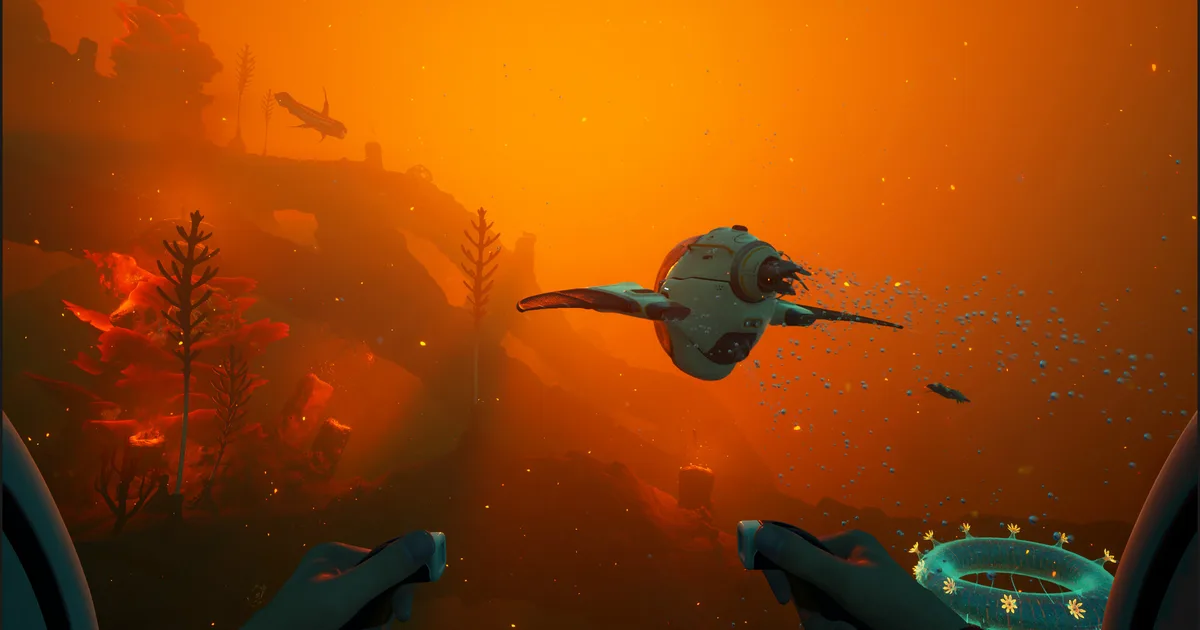
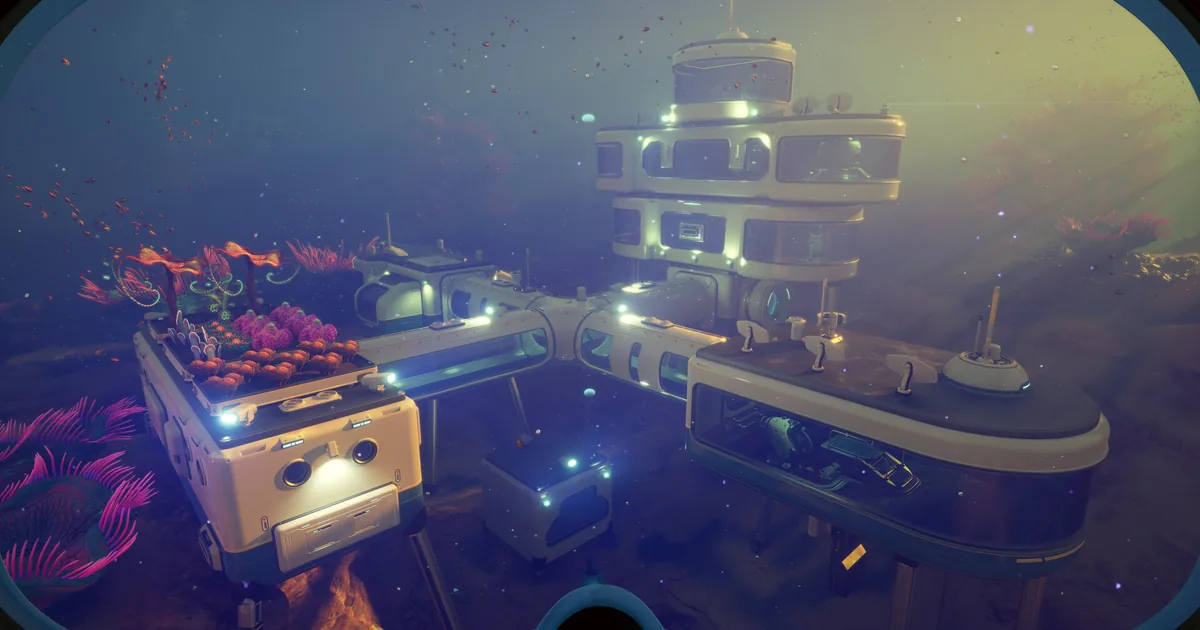
 A vehicle changes the risk calculation, but it does not turn an Early Access expedition into a combat run.
Step-by-step: survive a predator encounter
1. Check your resources: Before entering a risky biome, confirm oxygen, battery, health, and an open return route.
2. Spot the escape line: Look for open water, a surface route, or a vehicle path before you scan or collect anything.
3. Turn early: Start moving when the creature changes behavior, not after it has already made contact. The Seaglide is strongest while you still have room to steer.
4. Spend control carefully: Use the Sonic or Feedback Resonator when a stun or deterrence effect buys a specific escape window. Do not treat it as a damage phase.
5. Reset the encounter: Break line of sight, reach a safe depth or vehicle, and only then resume scanning or gathering. If the route remains unsafe, return to base and approach from another angle.
Frequently asked questions
Is there a knife in Subnautica 2?
Not in the current Early Access build. The game has utility equipment and limited creature-control effects, but no confirmed conventional knife system.
Can resonators replace a weapon?
They can create a short defensive opening. They do not establish a normal attack loop, and the safest follow-up is still escape.
What should I carry for Hammerheads?
Carry a charged Seaglide, enough oxygen for the full route, and a resonator if your current progression has unlocked it. The best defense is an early turn toward open water.
Did Hotfix 3 make the game safe?
No. It changed several creature and vehicle interactions, including Hammerheads and unpiloted Tadpoles, but Early Access encounters remain dangerous.
Will Unknown Worlds add weapons?
There is no confirmed announcement or date for a knife or traditional weapons. Follow the official announcements rather than assuming a community request is a roadmap item.
Related Reading
- Subnautica 2 Biomes Guide: route planning and current zone context.
- Subnautica 2 Creature Guide: encounter notes and threat patterns.
- Subnautica 2 Oxygen Survival Guide: capacity and return-route planning.
- Subnautica 2 Collector Leviathan Guide: how to read a large territorial threat.
- Subnautica 2 Shiver Leviathan Guide: current boundary and escape context.
- Subnautica 2 Complete Guide Hub: the wider Early Access reference set.
References
- Subnautica 2 on Steam: current Early Access status, pricing, review snapshot, and scope.
- Subnautica 2 official announcements: Adaptive Measures, Buddy System, and Hotfix 3 notes.
- A letter to the Subnautica 2 community from Unknown Worlds: current combat-direction statement and encounter priorities.
Was this guide helpful?
About the author

Senior Critic & Analyst
Former game data analyst turned critic with 11 years covering indie and mid-tier games. Based in Austin. Runs spreadsheets on games most people just play.
- 11 years games criticism
- Former game economy analyst
- Roguelike and strategy specialist
Keep reading

Disclaimer
This article is published for informational and entertainment purposes. It does not constitute professional financial, legal, or technical advice. Game performance, online services, patch schedules, and store listings change. Verify critical details (pricing, system requirements, regional availability) with publishers and storefronts before you buy. Affiliate links, where present, help support our editorial work and are labelled in our affiliate disclosure.
Comments
Loading comments…